Shows
-1.jpg)

![Metamorphoses of Control [Catalogue launch]](https://media.isabellafuernkaes.com/Isabella_Fuernkaes_Mouches_Volantes_Metamorphoses_of_Control_2022_00001.jpg)




definitively_Goeben_Berlin_2020_00003.JPG)


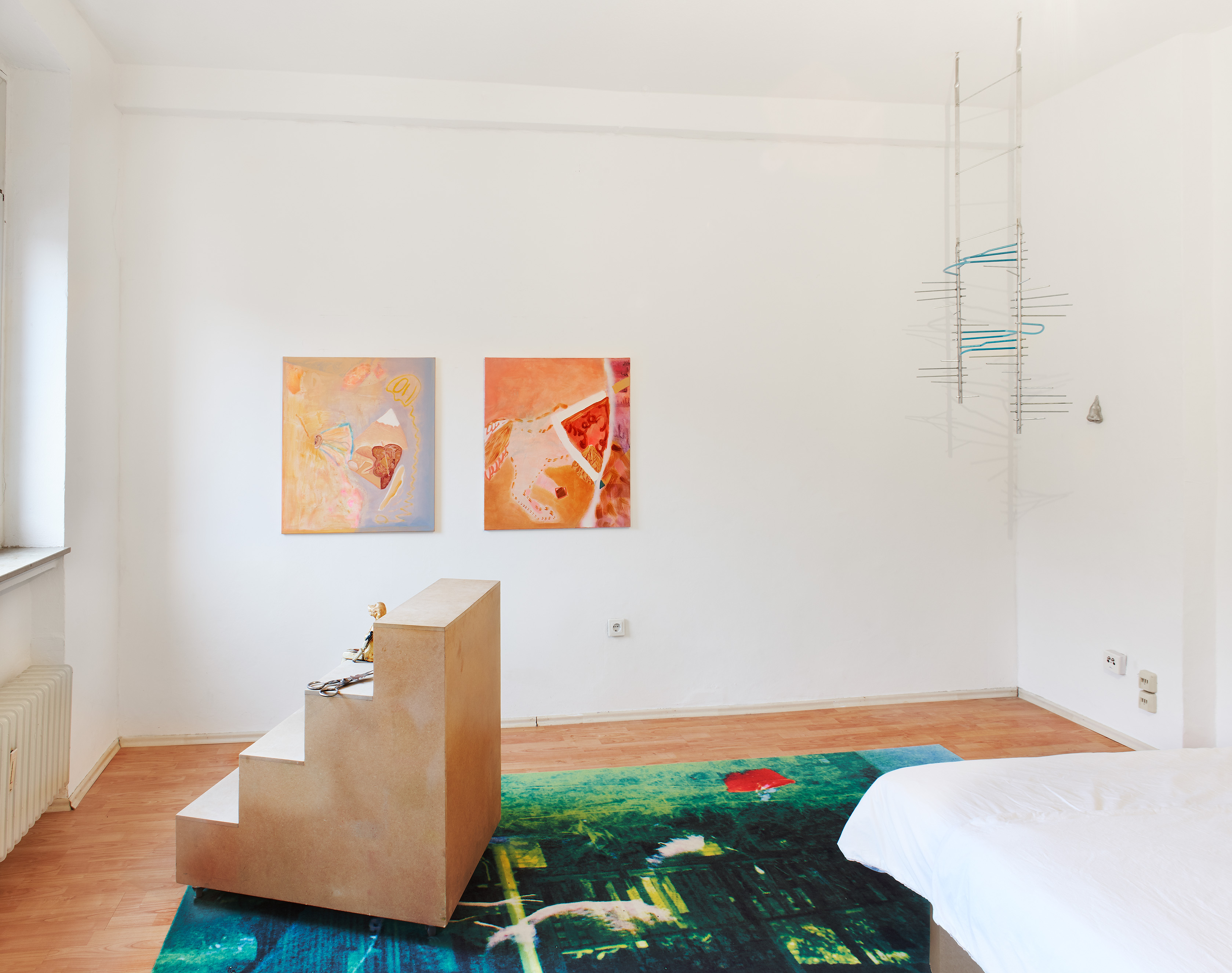
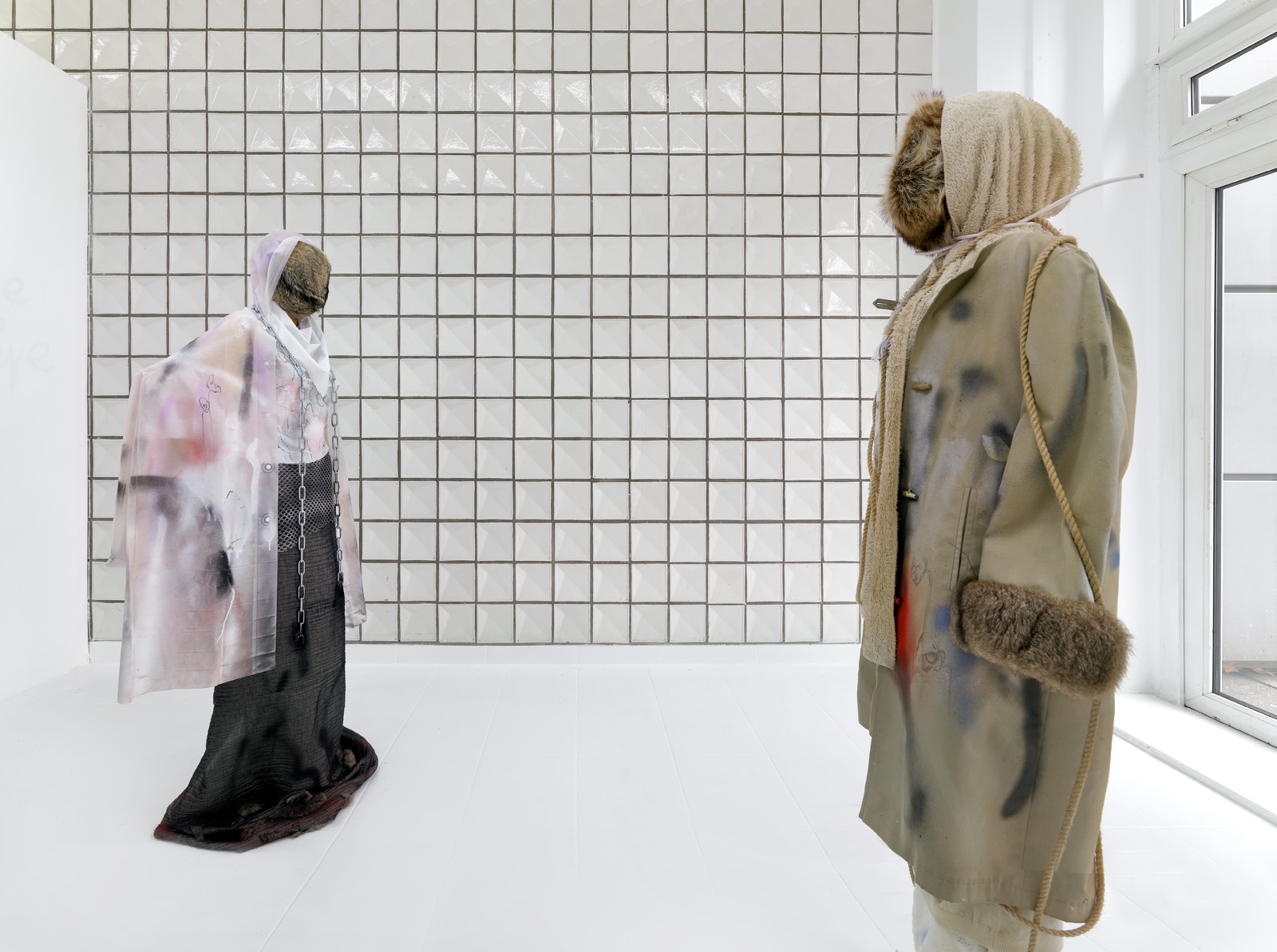

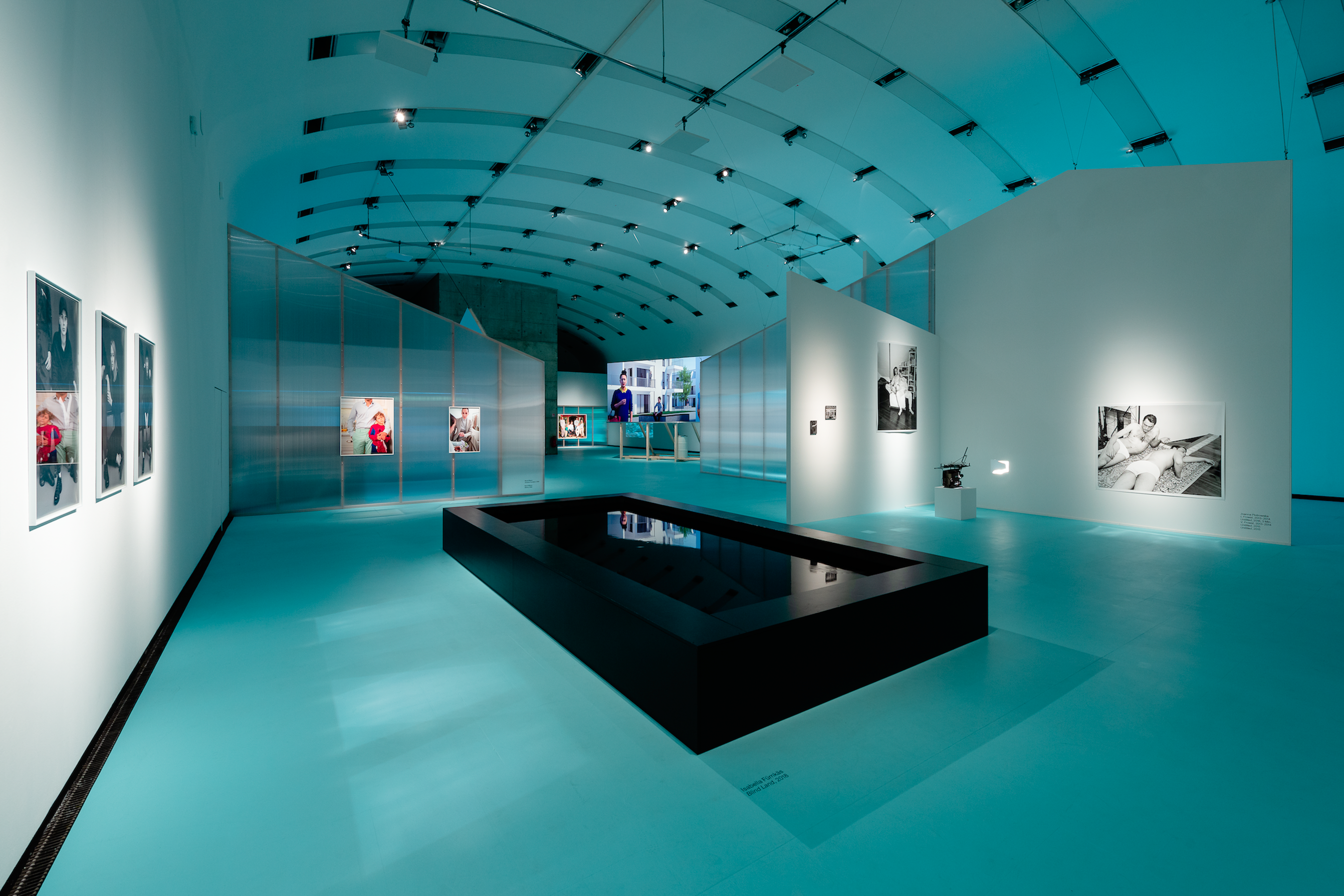


DWELLING
Place: FLUX, Zurich
Date: -
Invited by: Nadja von Ah
International Woman's Month Zurich
Artists: Magdalena Baranya & Giulia Hess, Dominique Feusi, Isabella Séville Fürnkäs, Anna Mardy, Saso Roy, Monika Schori
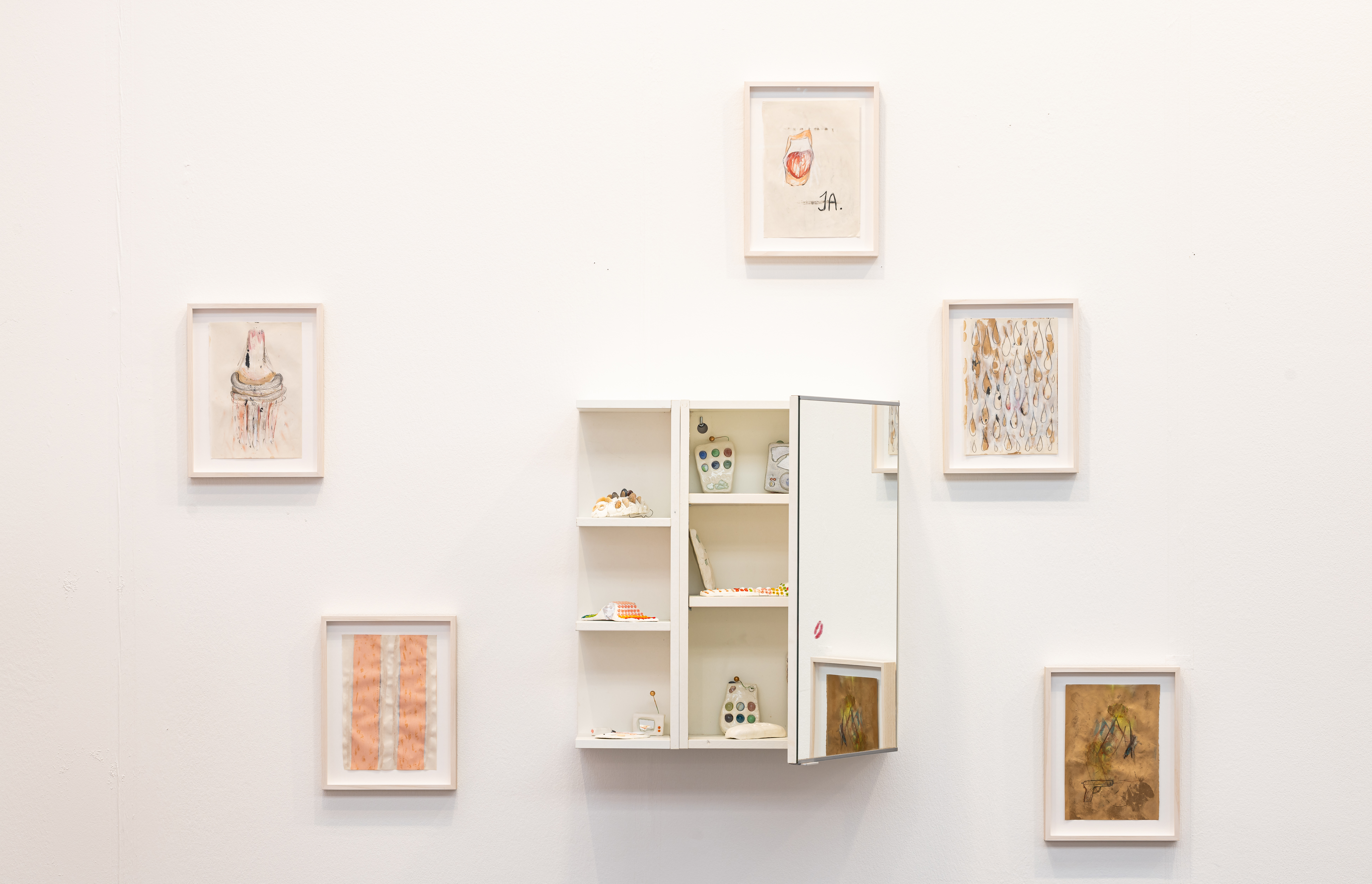
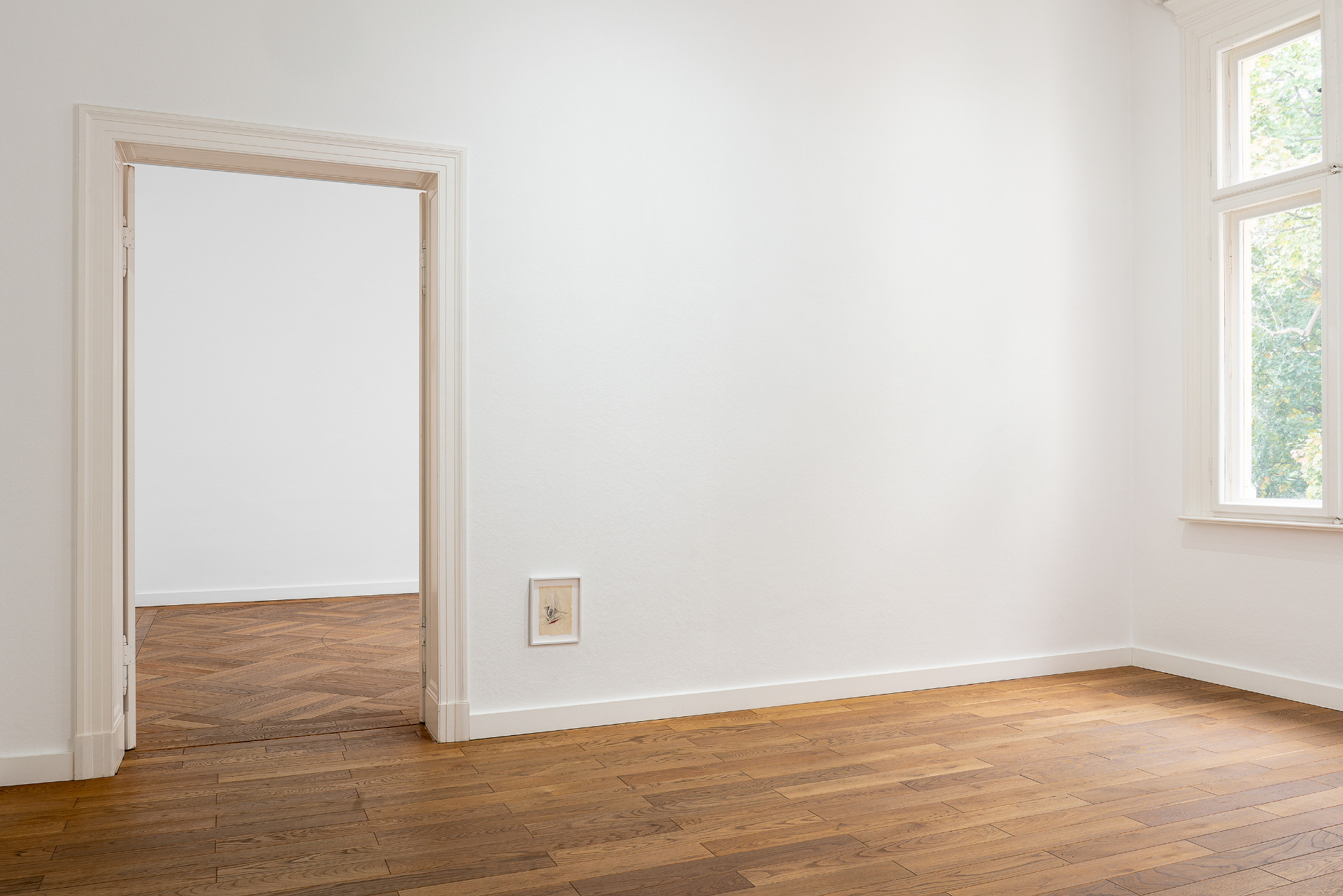
Works: L'Origine du monde, Insomnia Drawings
The two presented work series are L’Origine du monde and Insomnia Drawings.
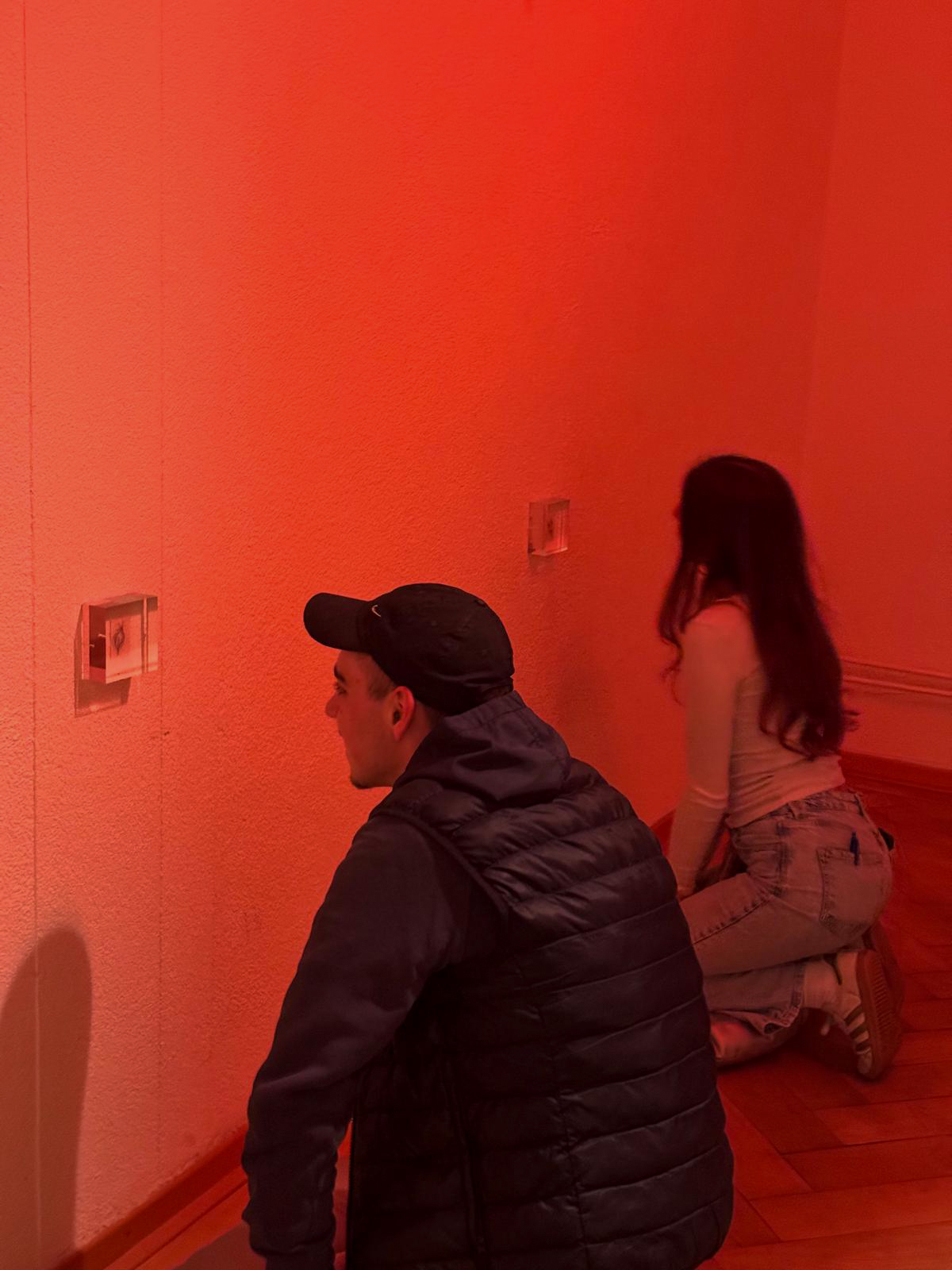
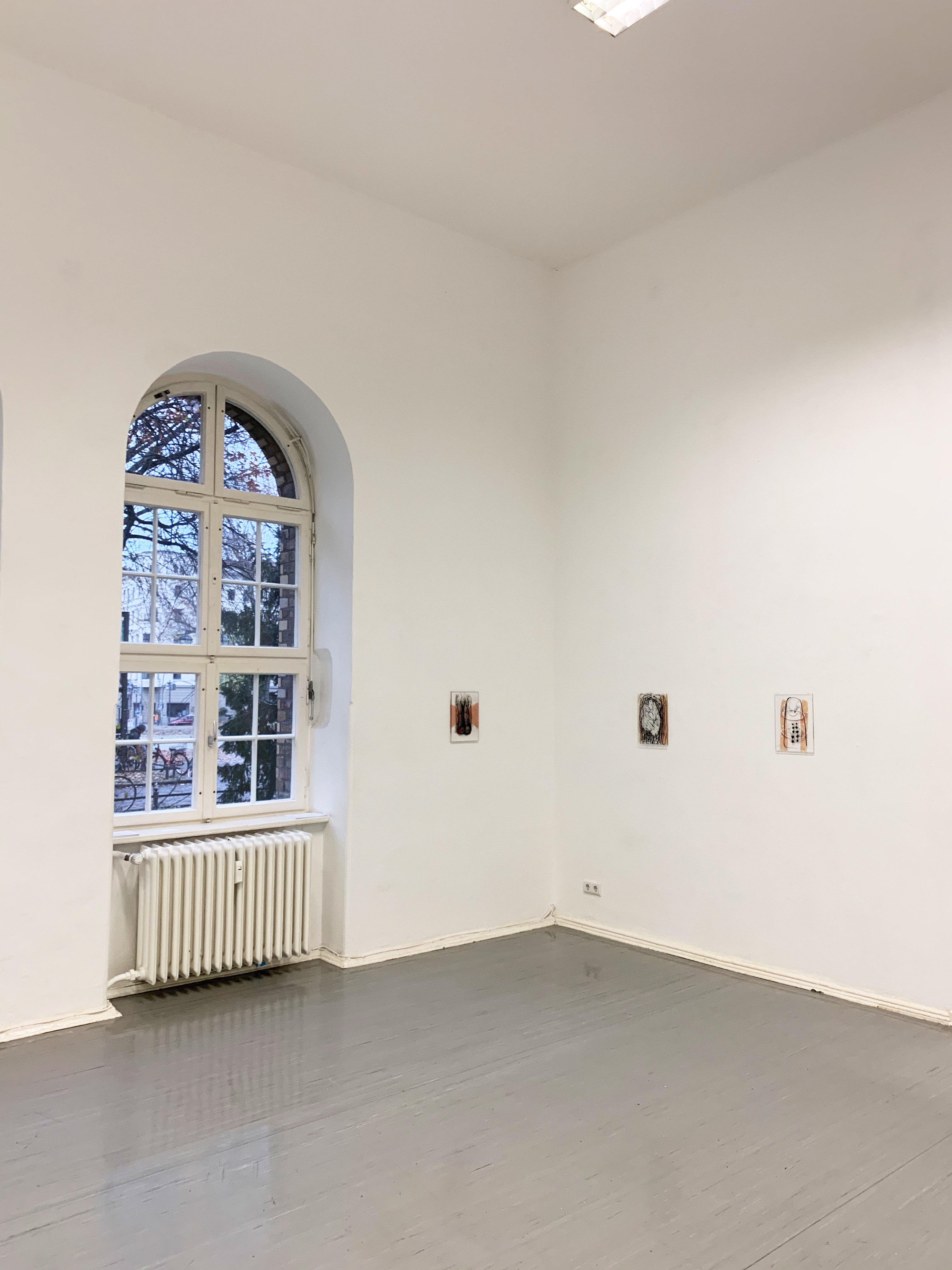
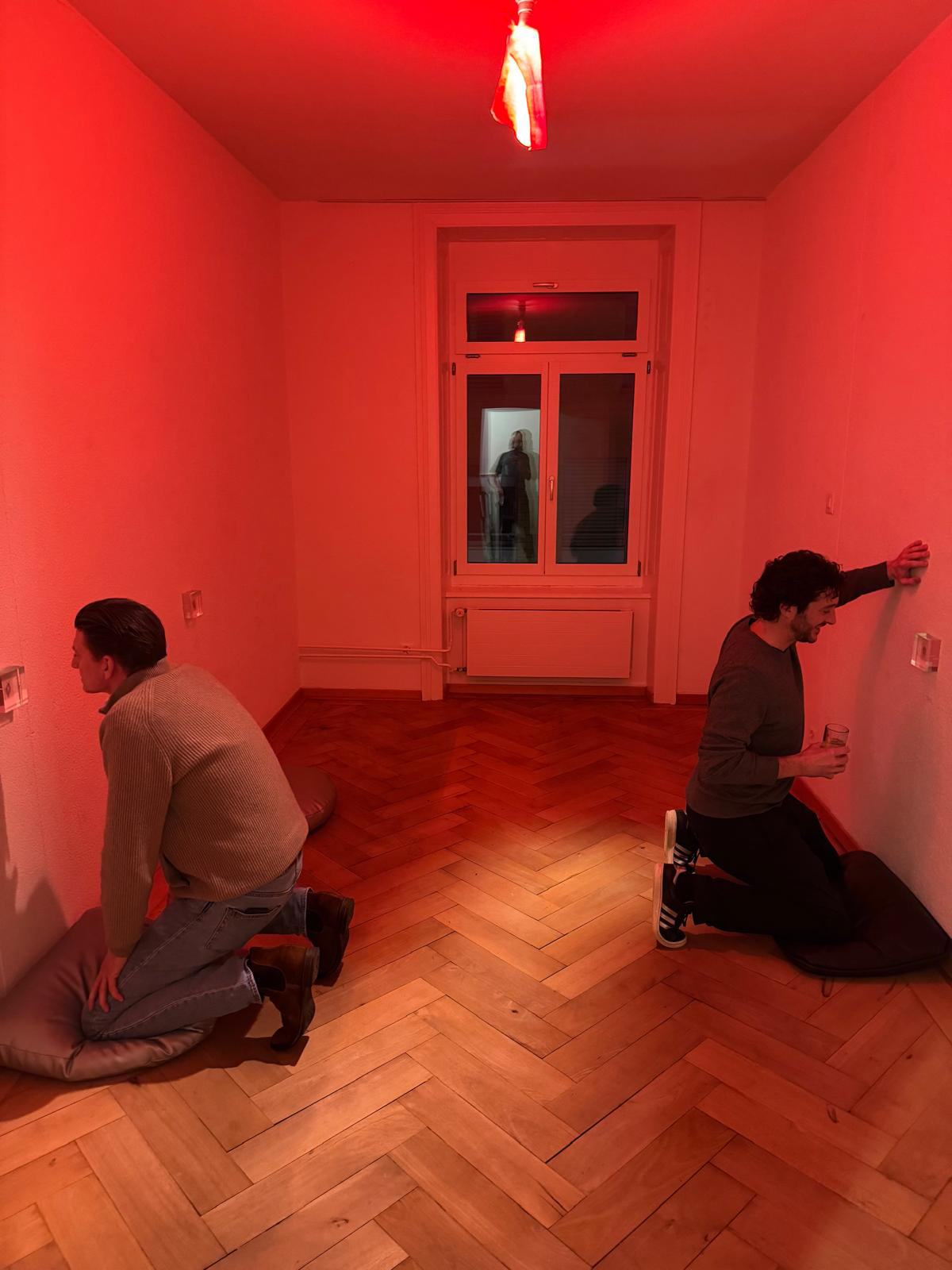
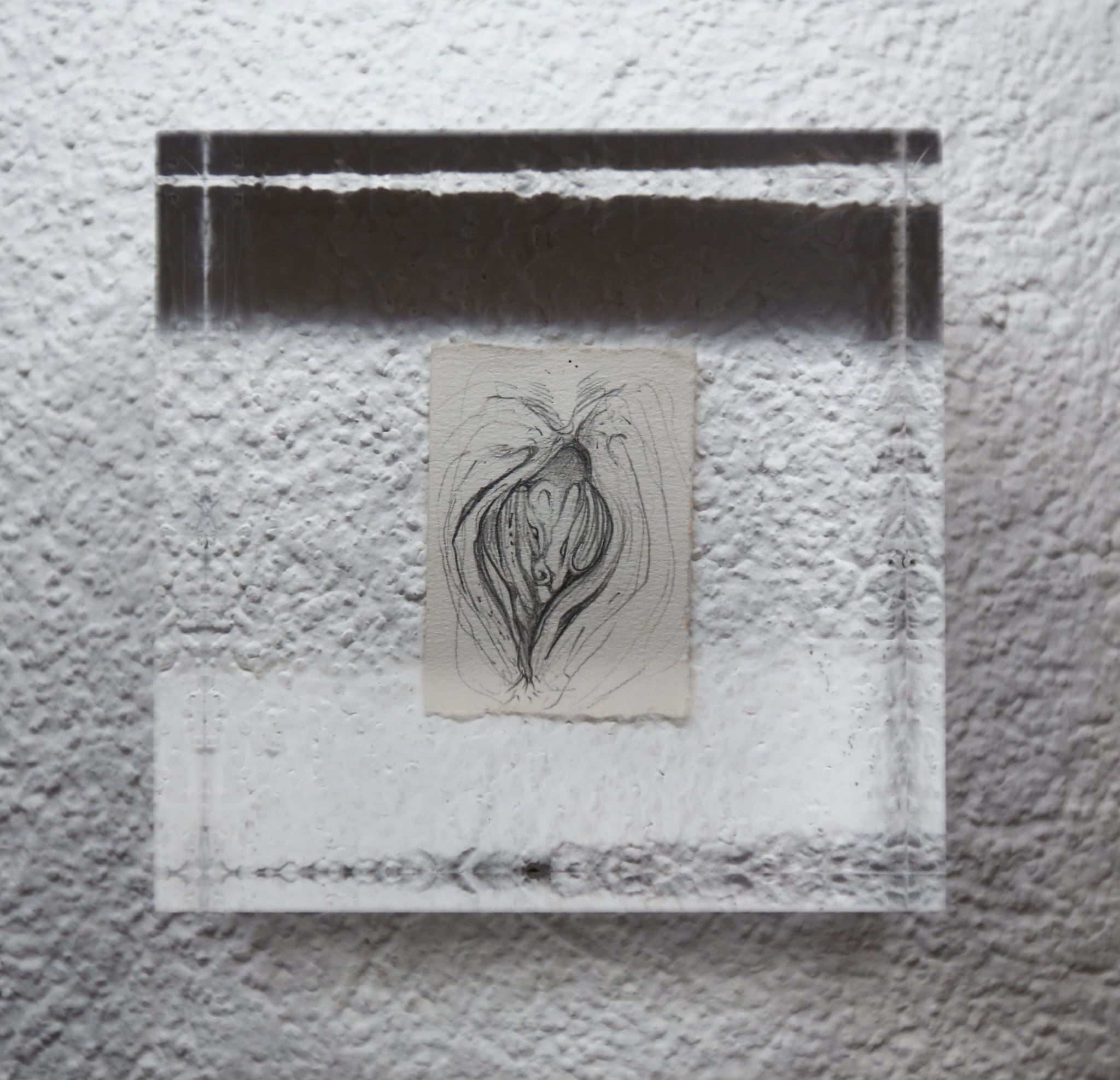
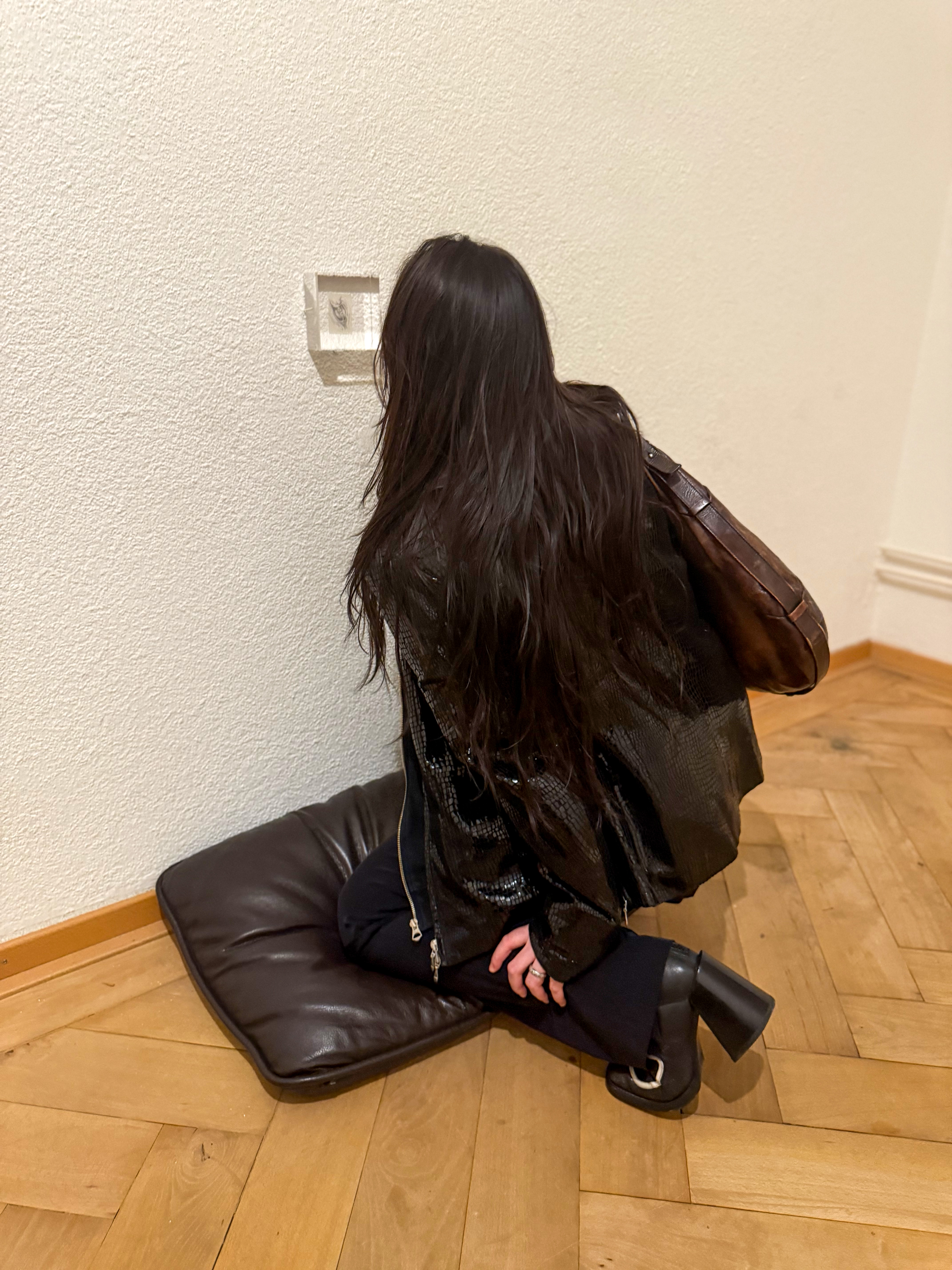
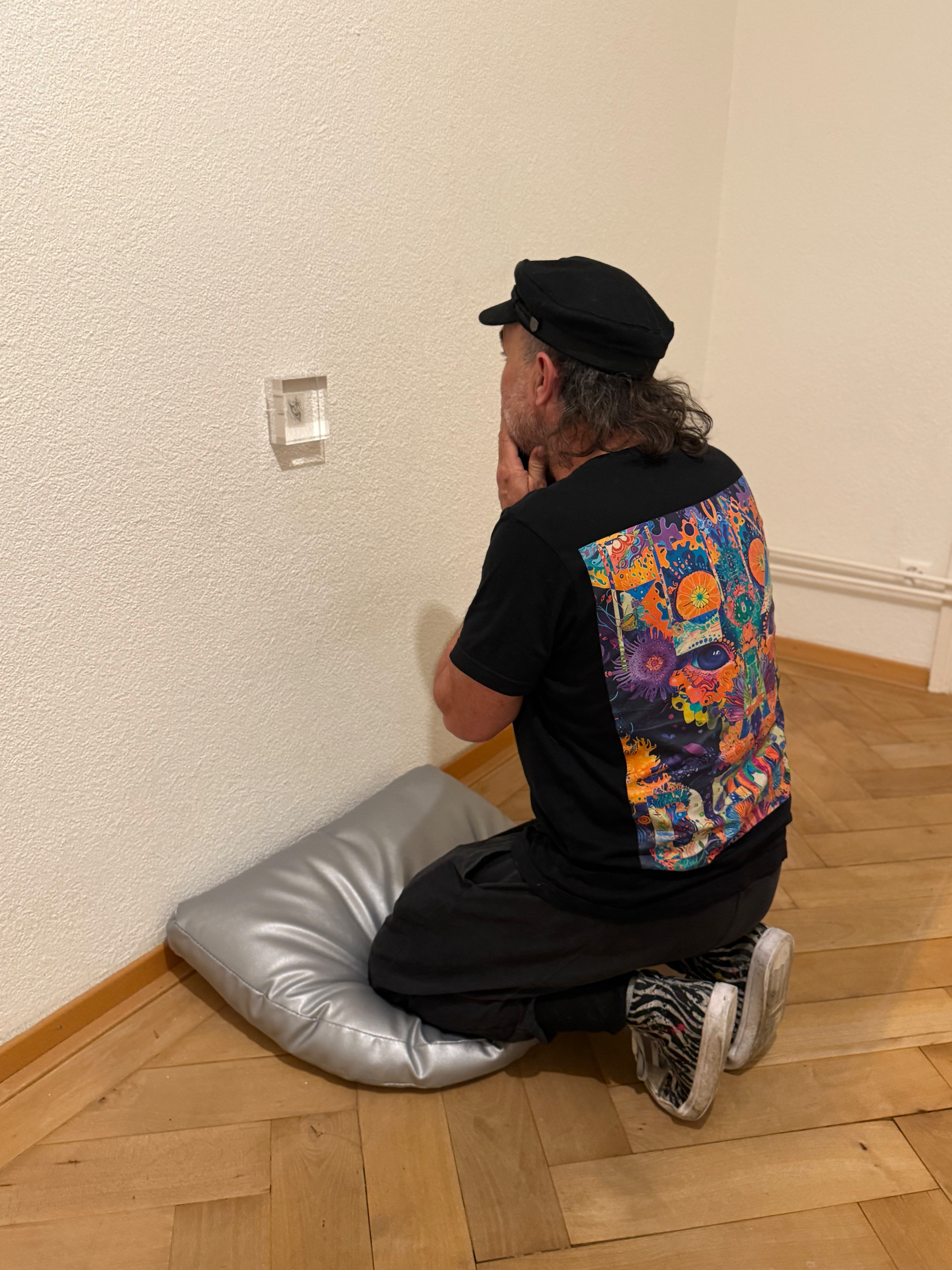
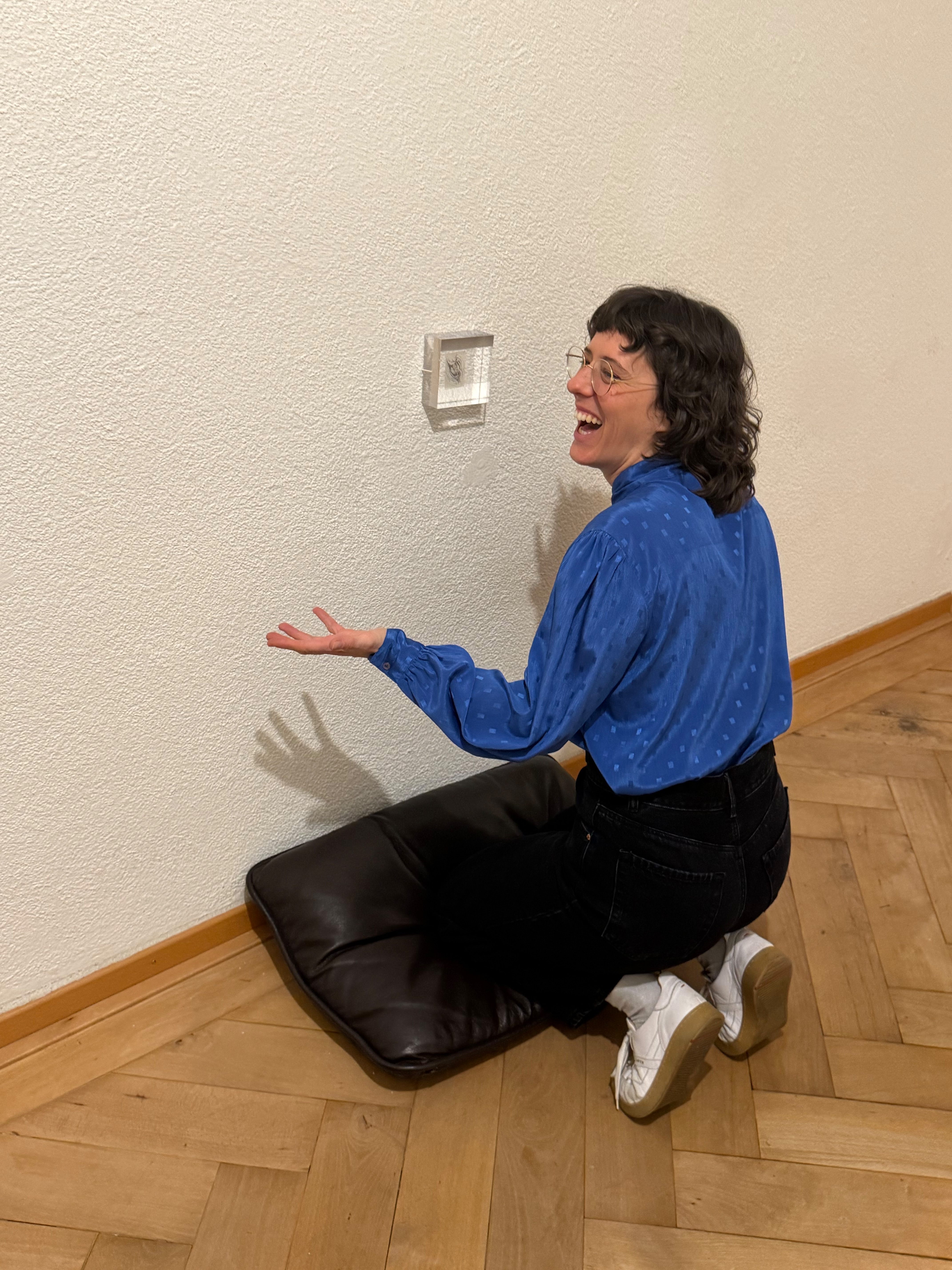
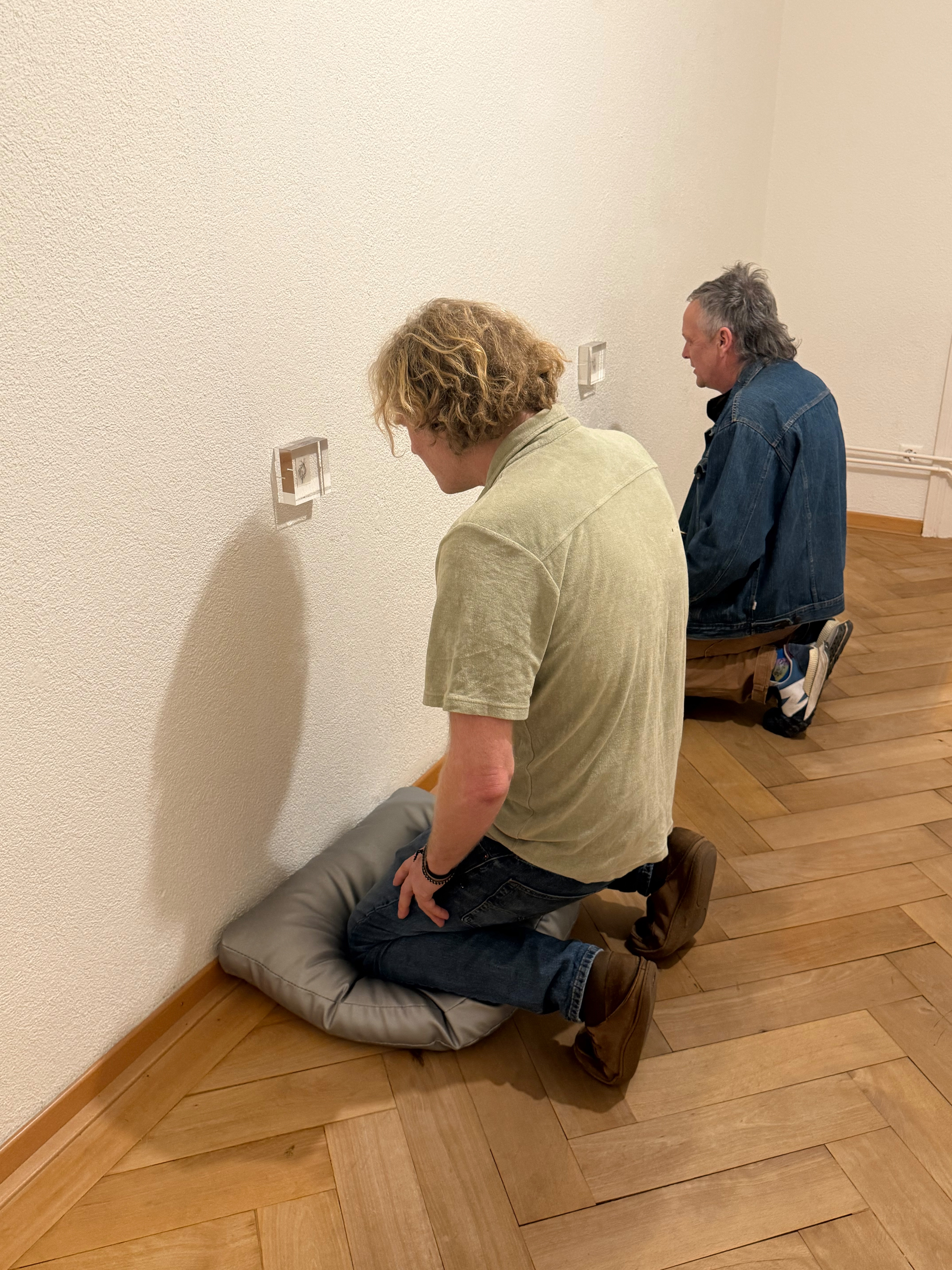
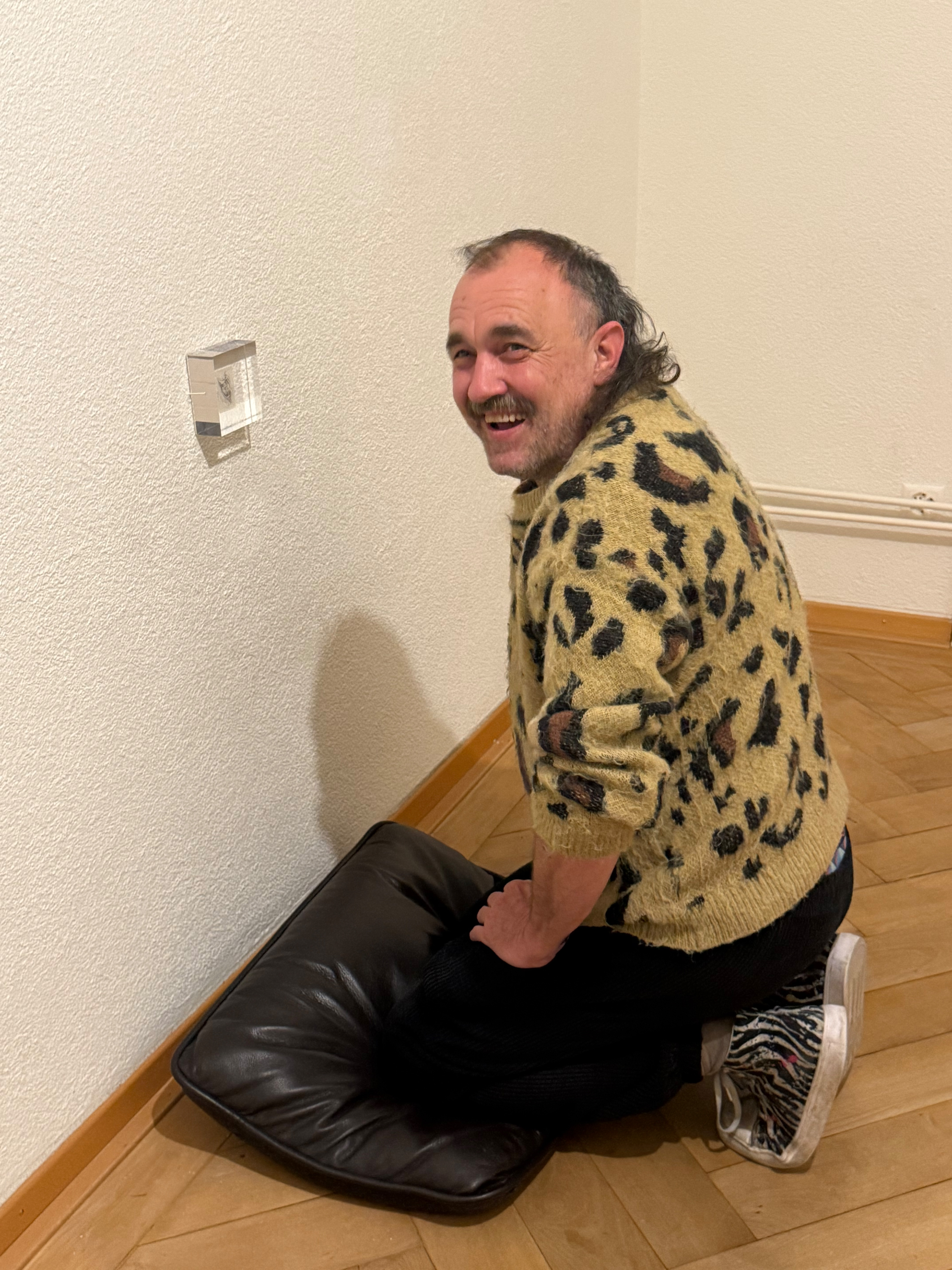
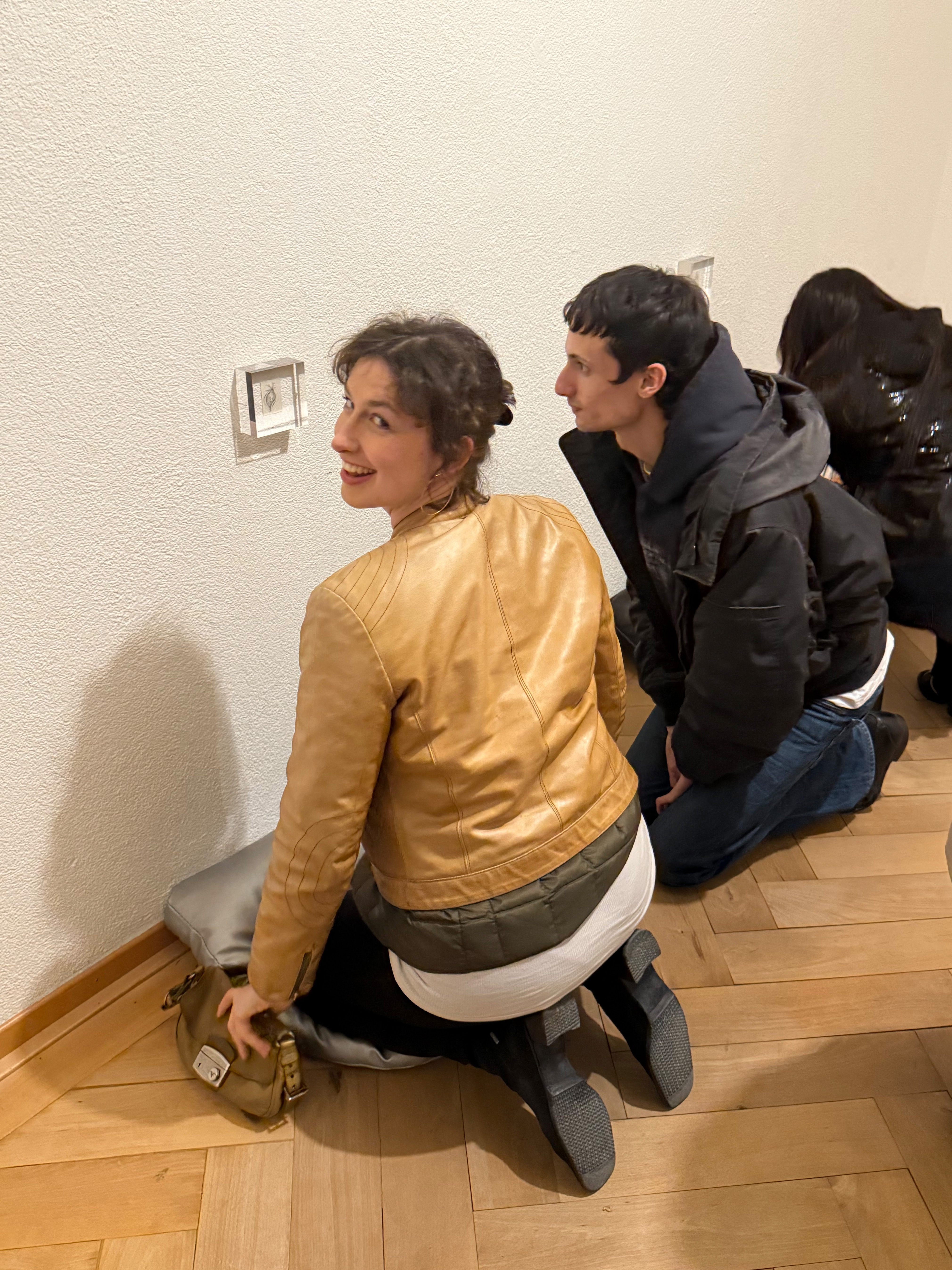
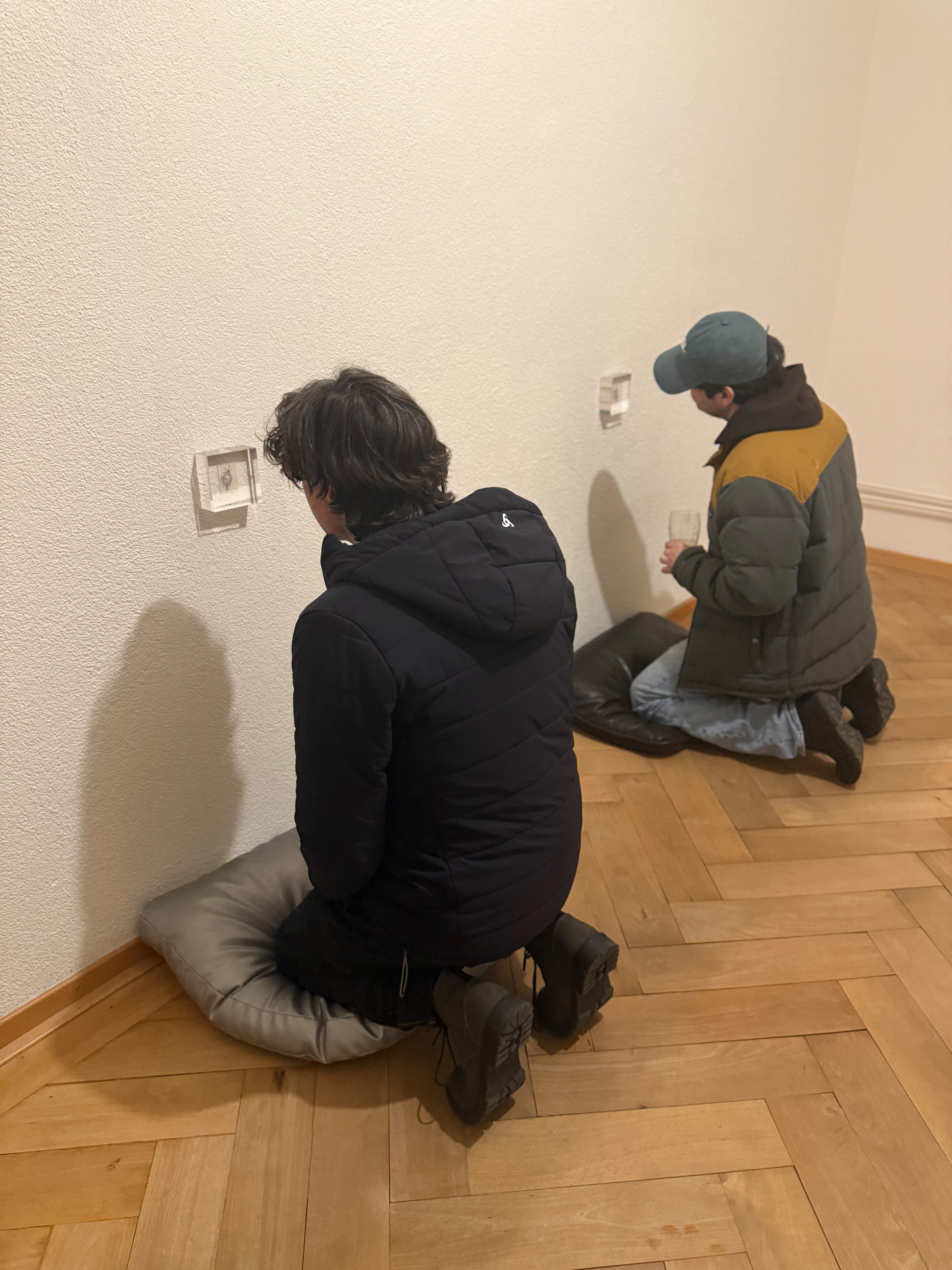
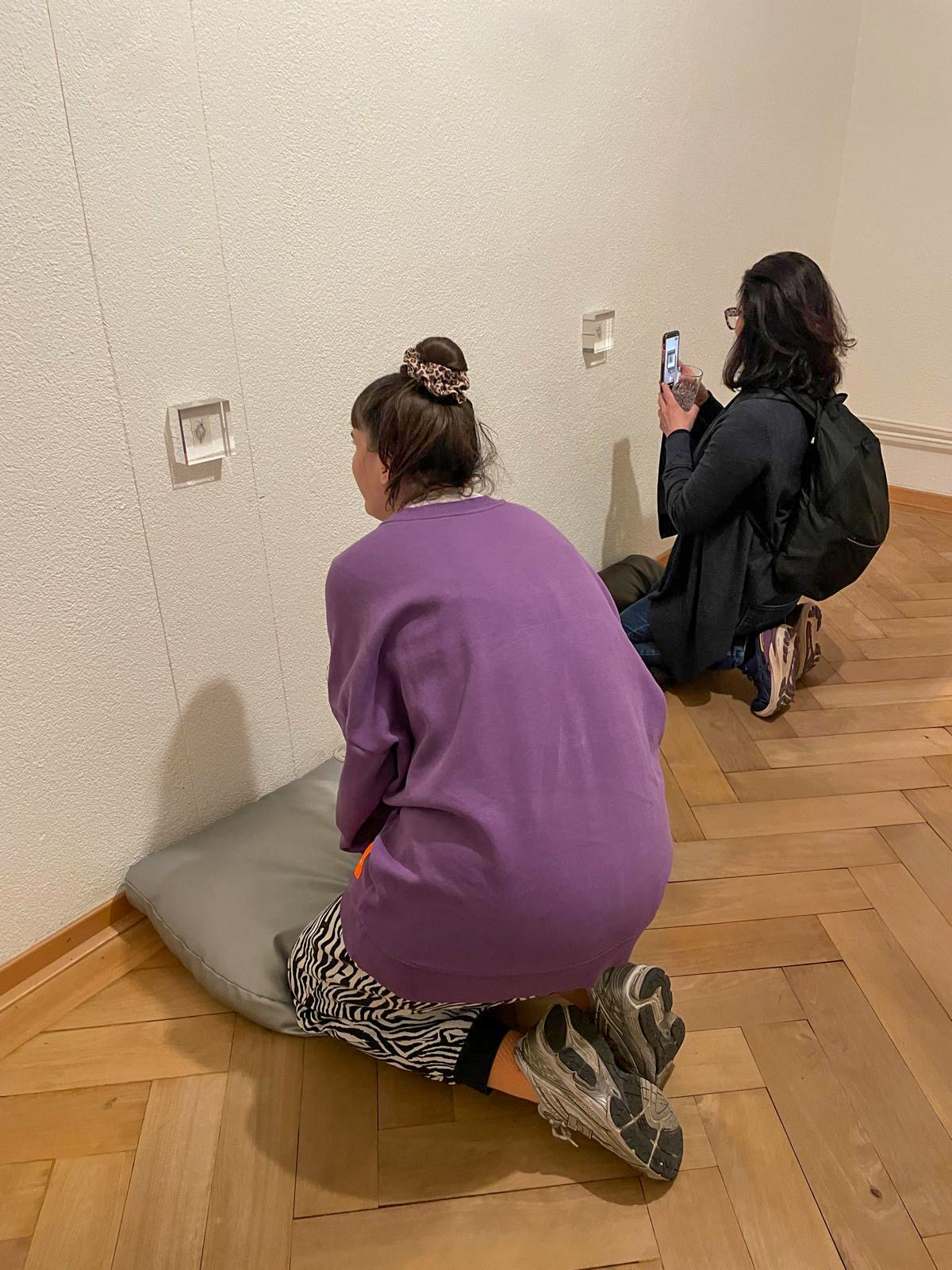
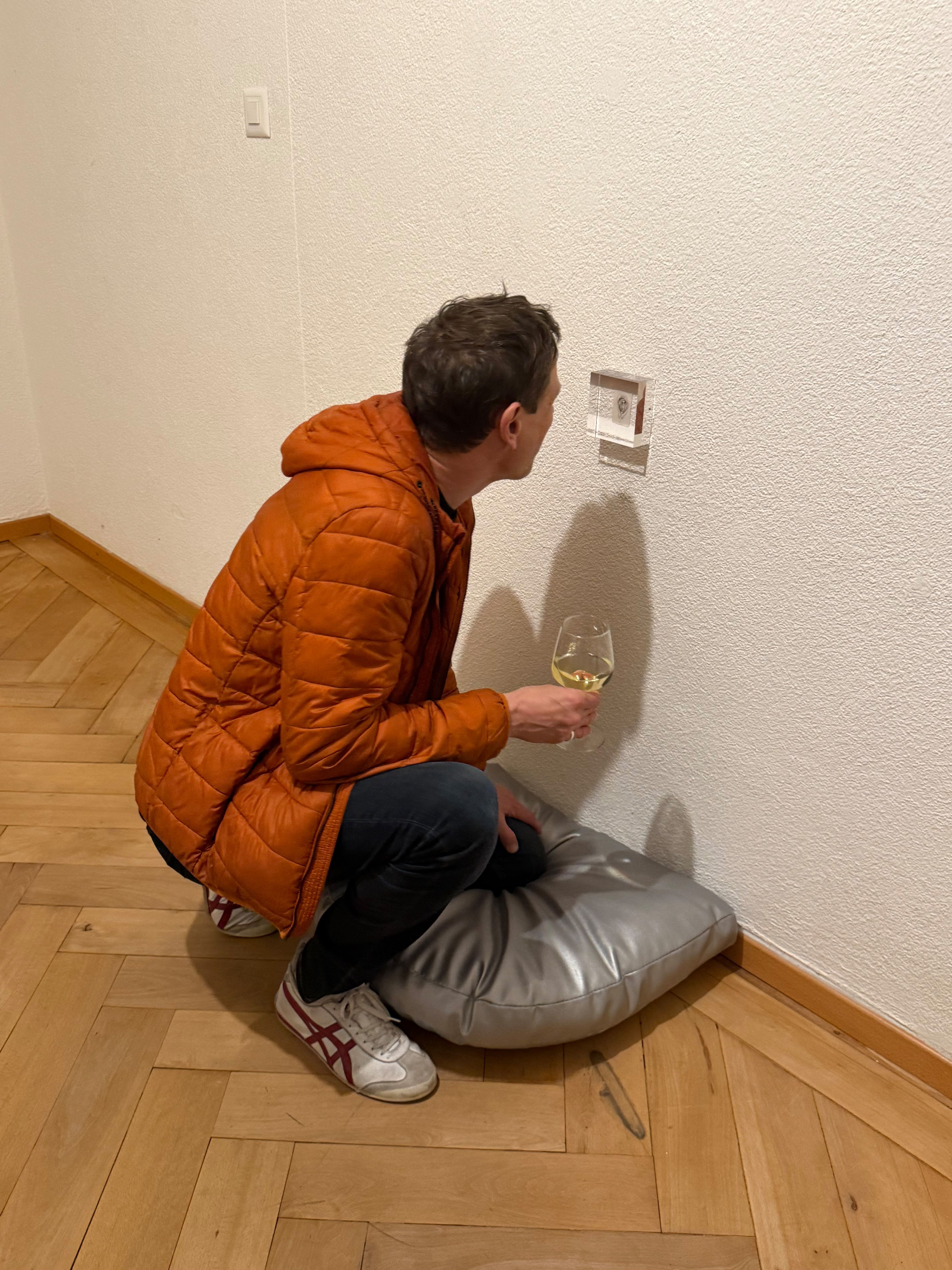
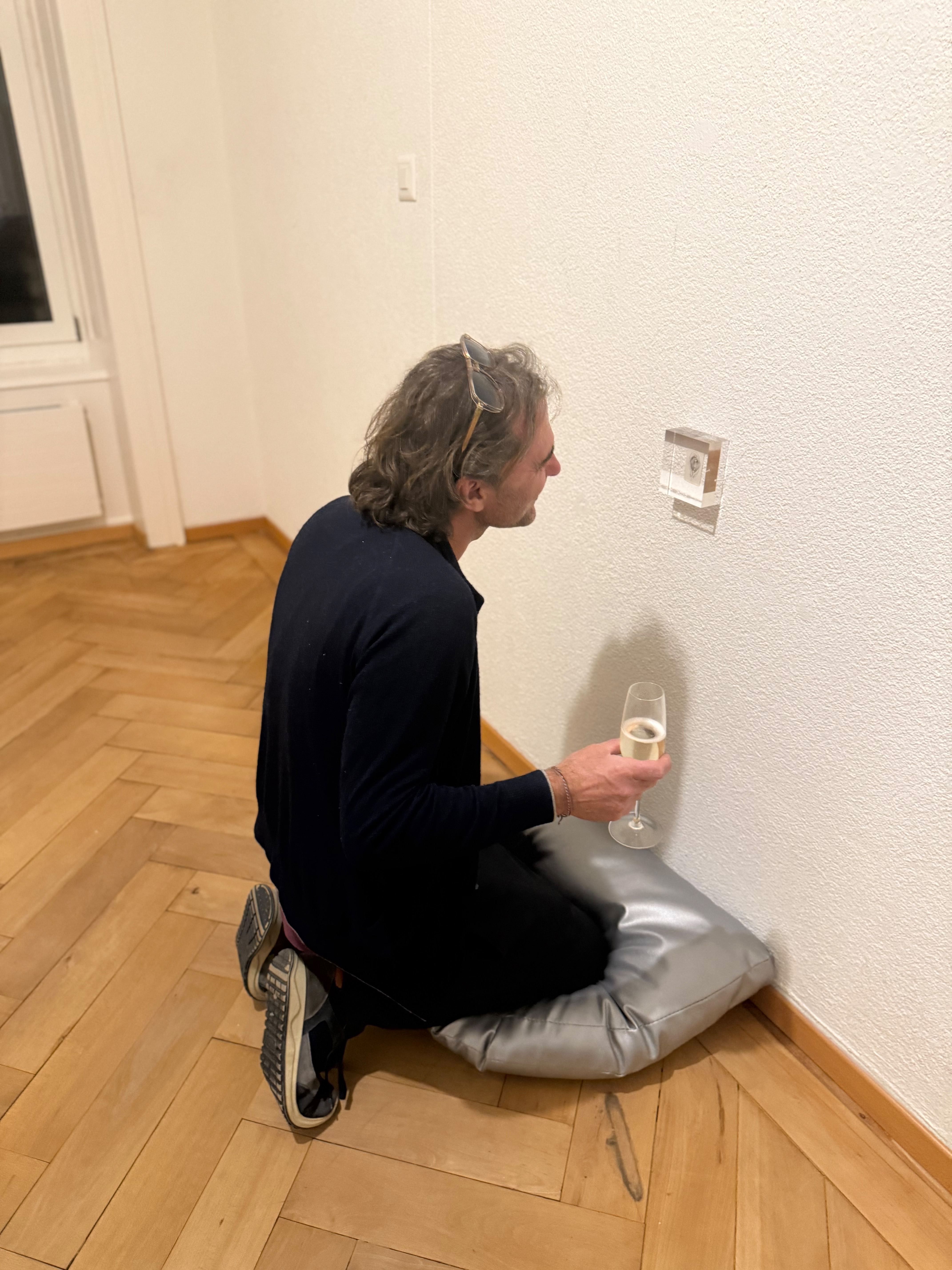
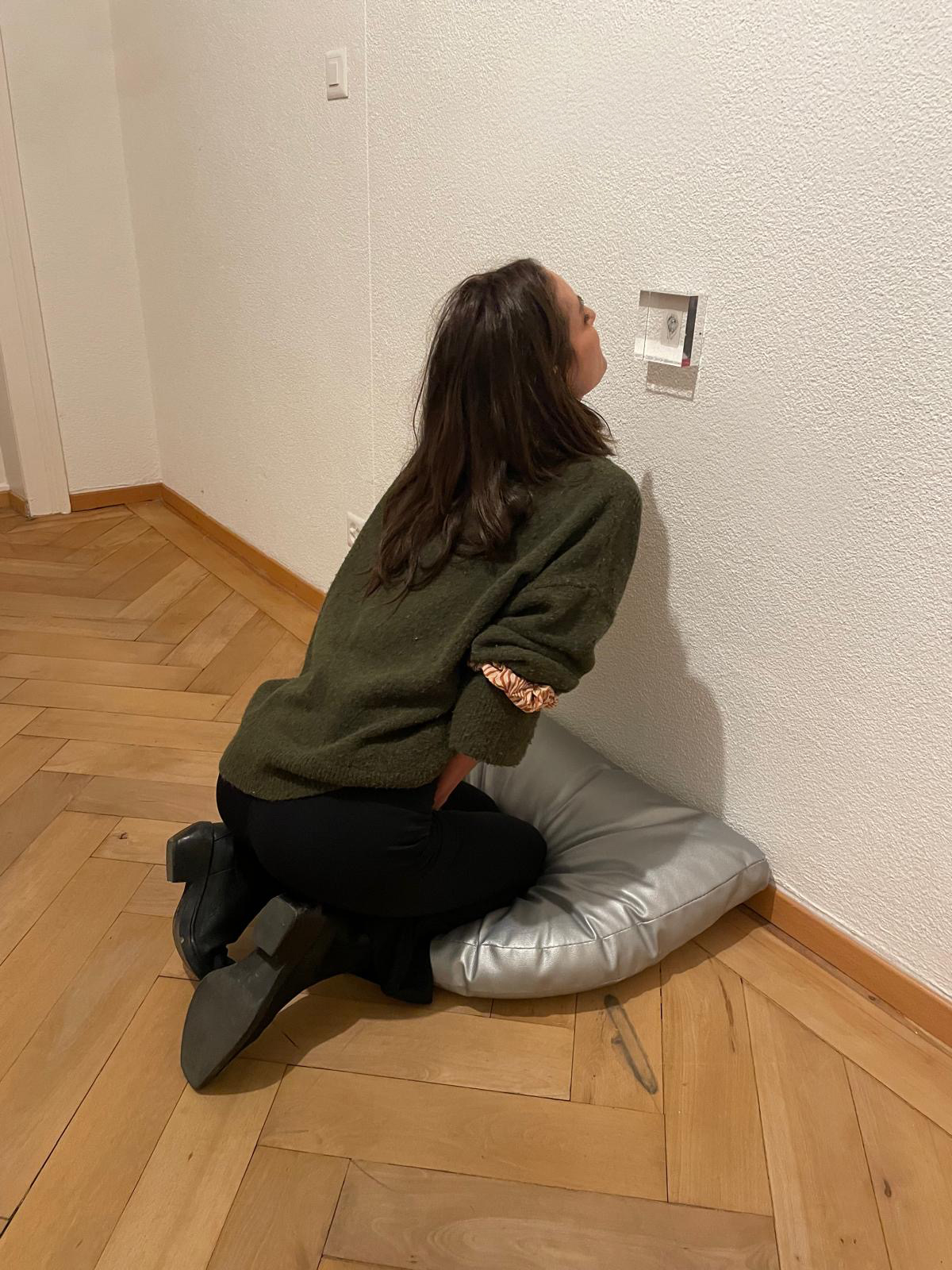
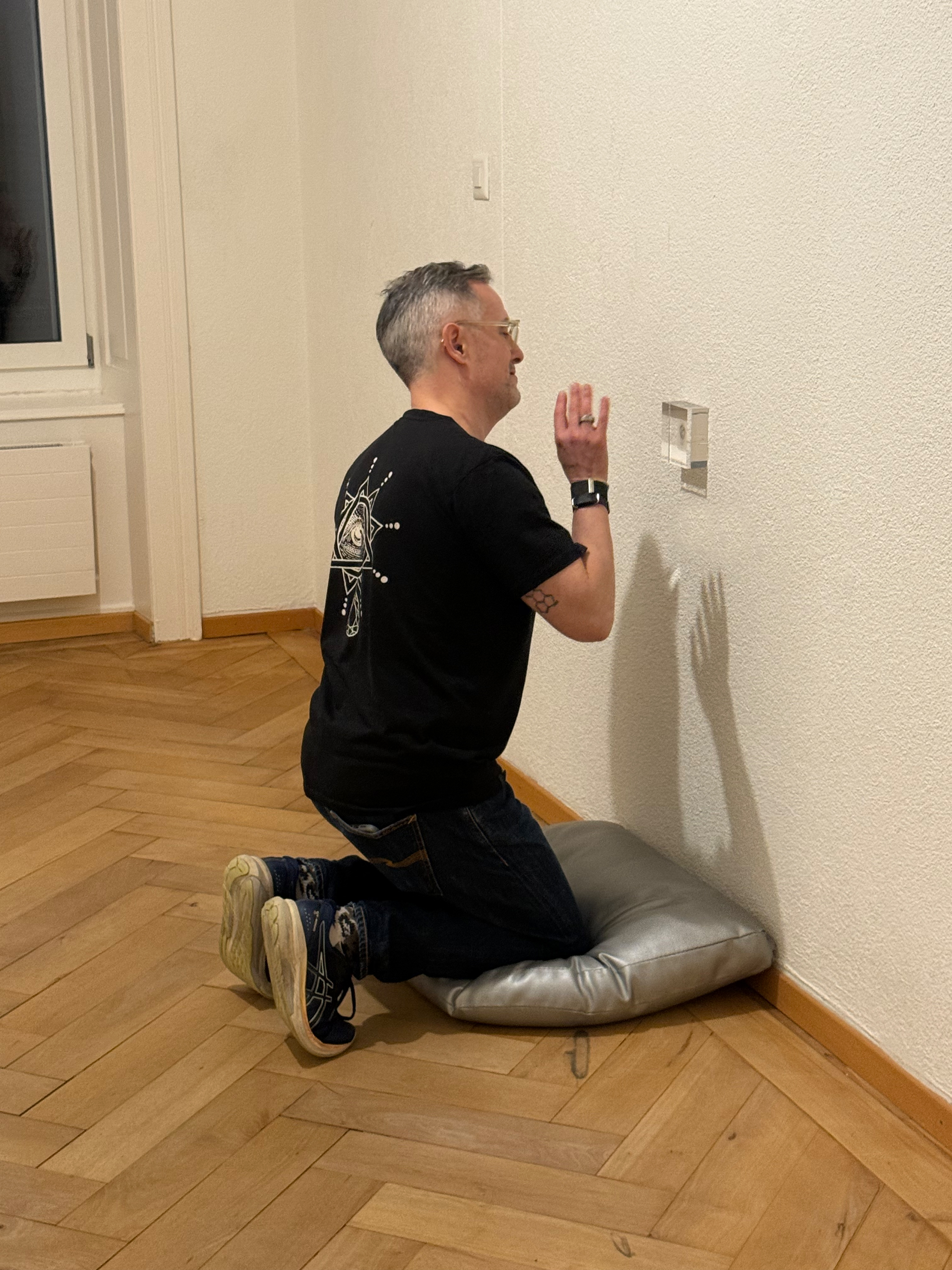
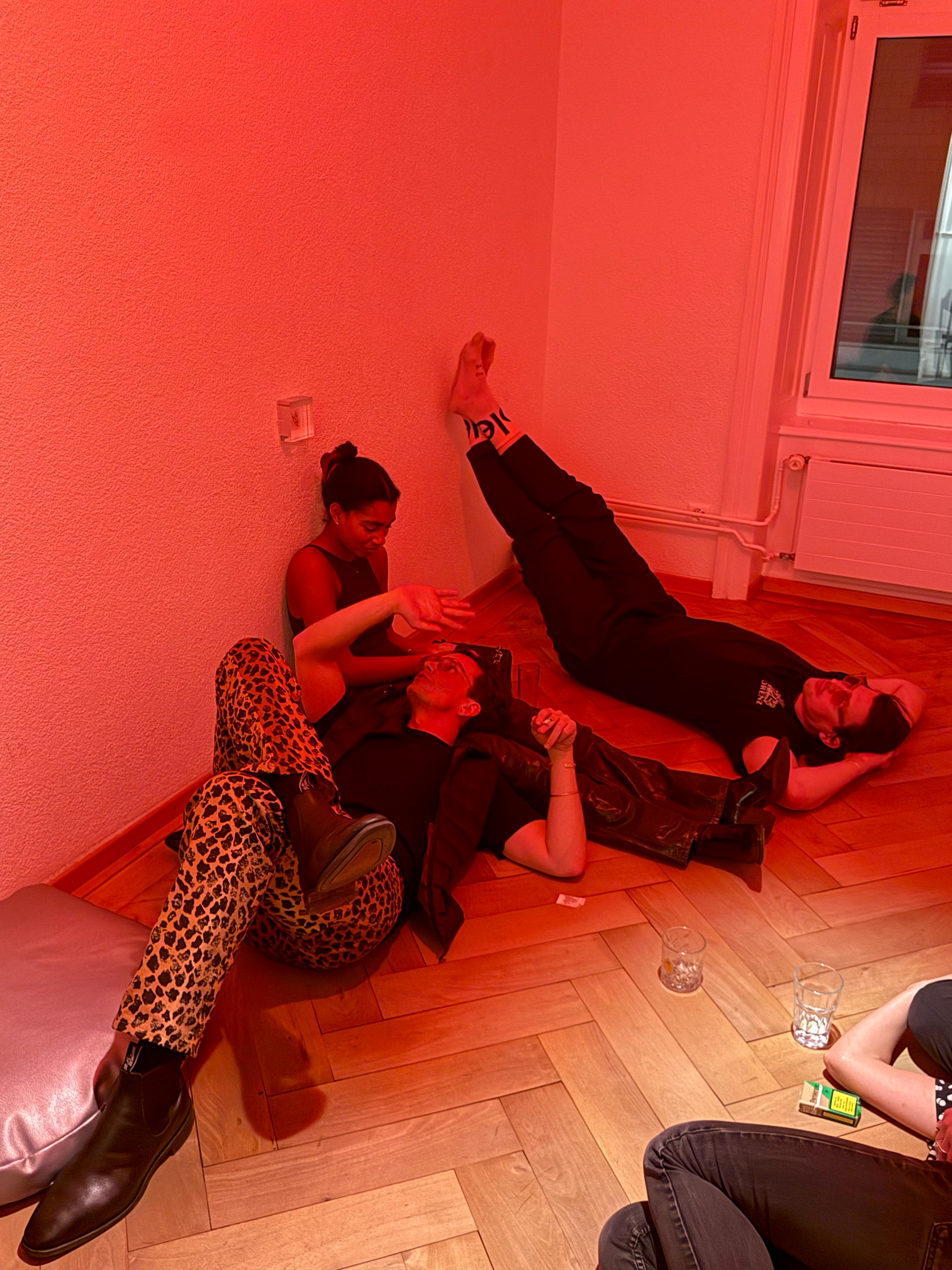
The work L’Origine du monde shows explicit pencil drawings of three detailed female genitalia, framed within a plexiglass block. Although the drawings are passport-photo sized, they have an intensity that pulls the viewer’s gaze inward. Installed on the wall at the height of Isabella’s own vagina, with cushions placed on the floor, the setup forces the viewer either to bend forward or to kneel in front of the work. The images appear almost to cry out, asserting self-determination and a disruptive visual power that transforms the encounter into something resembling an act of reverence. You stand humbly before her, on your knees as if in prayer to a goddess. In this positioning, the vagina is venerated like a goddess, granted the devotion and dignity that have long been denied.
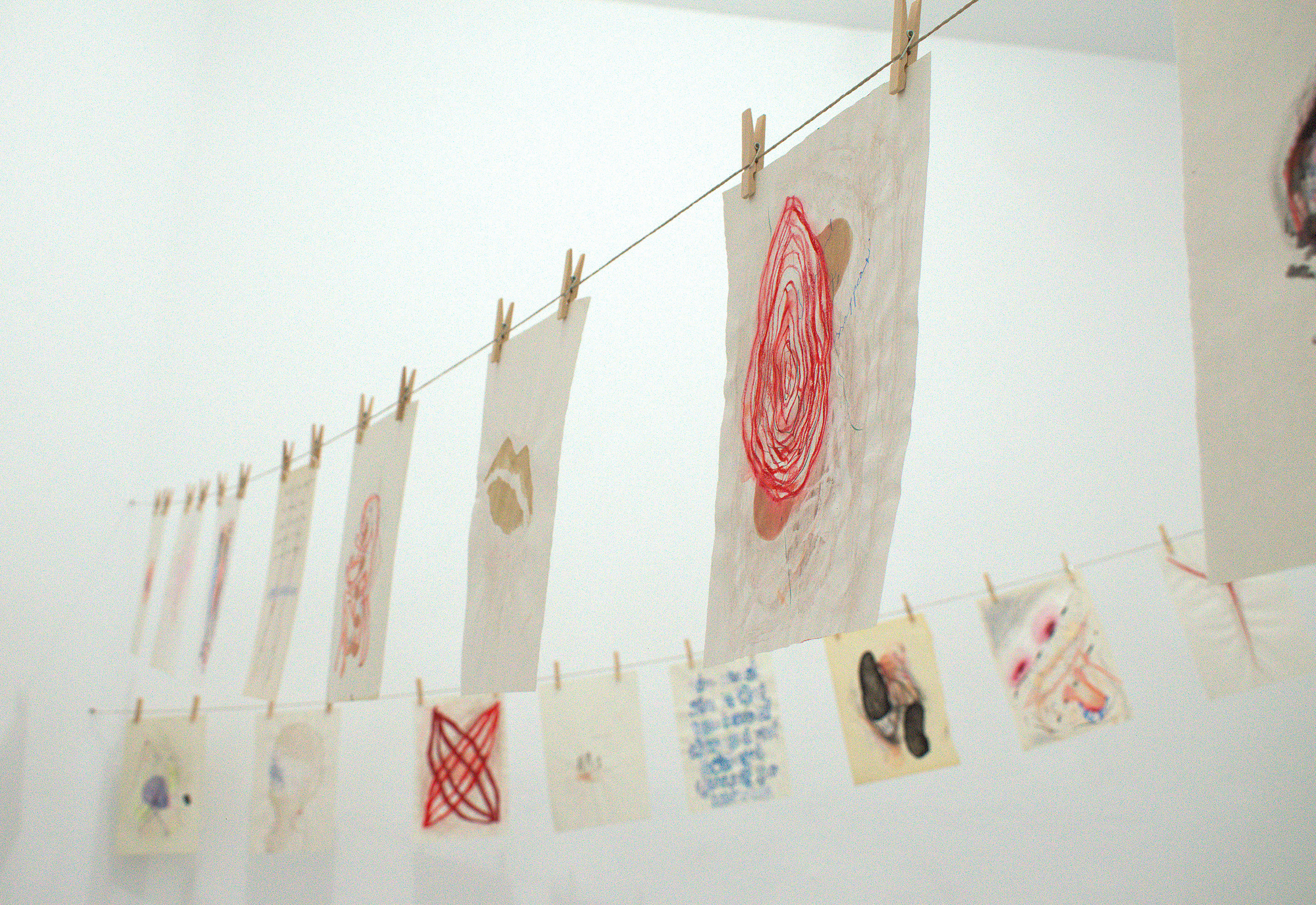
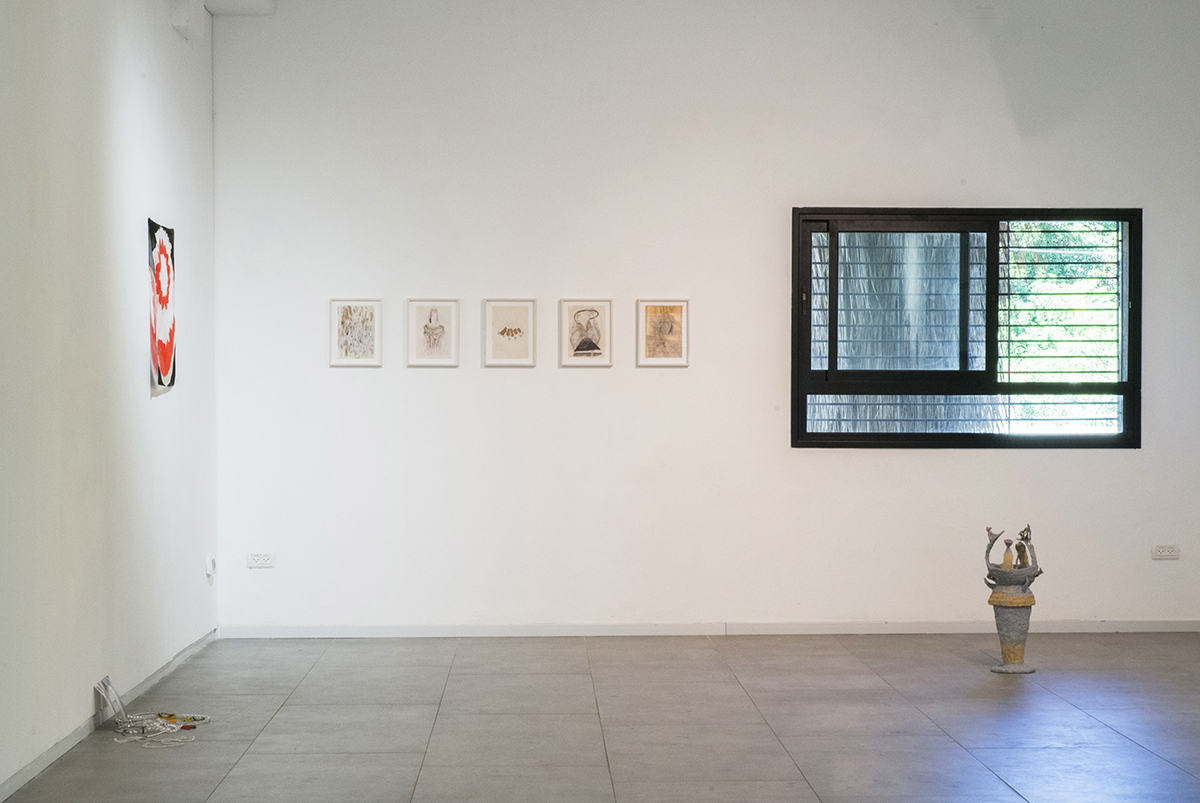
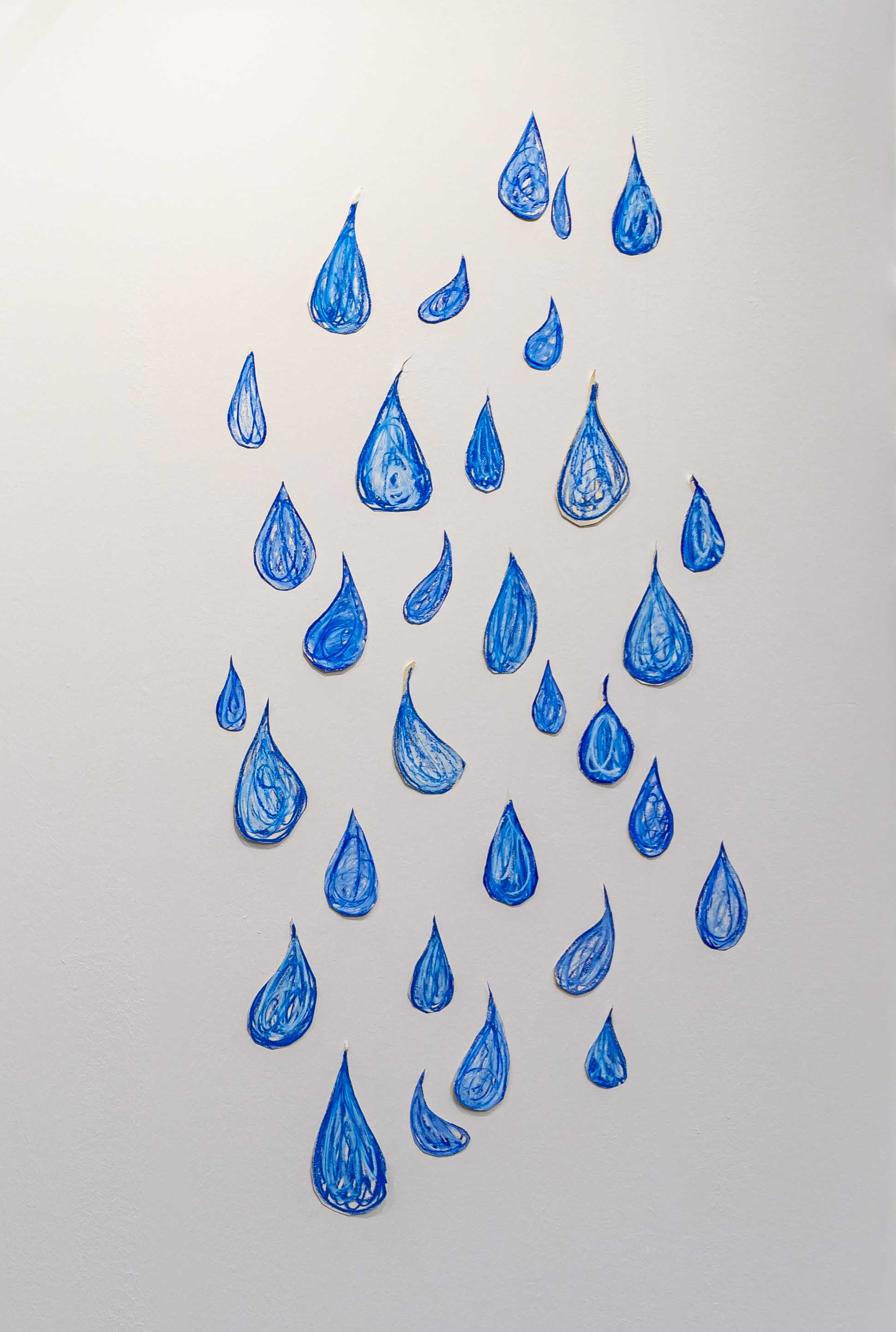
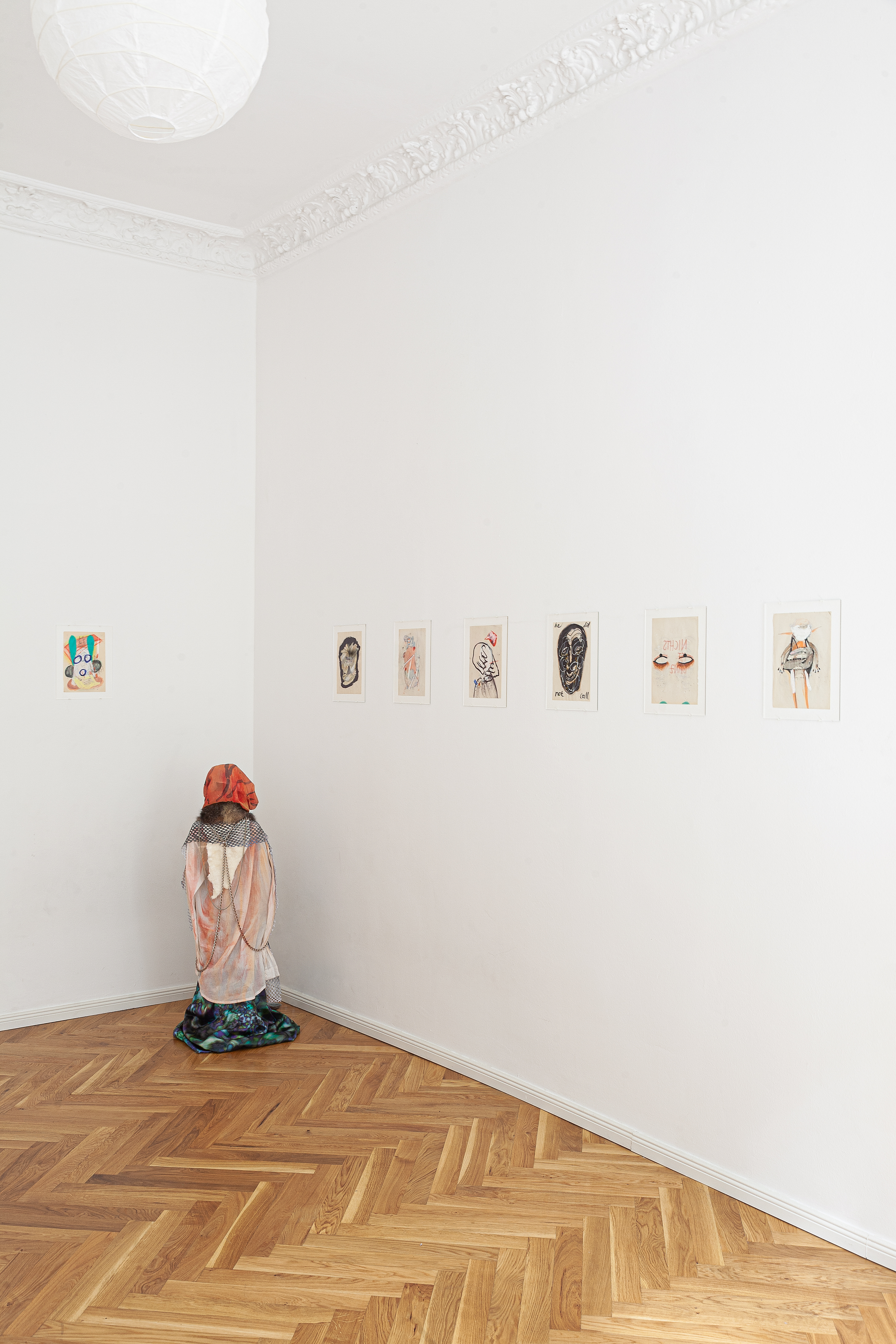
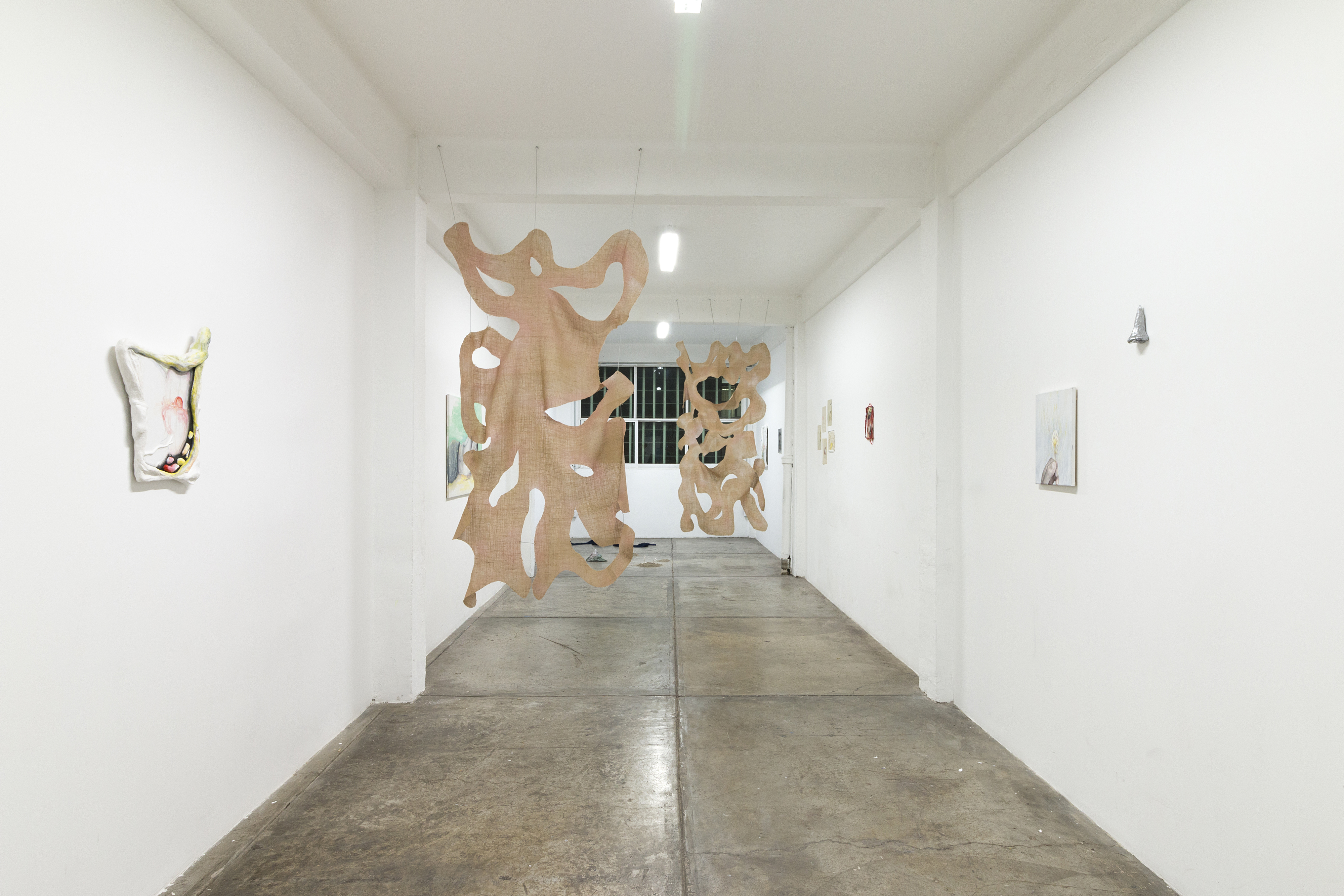
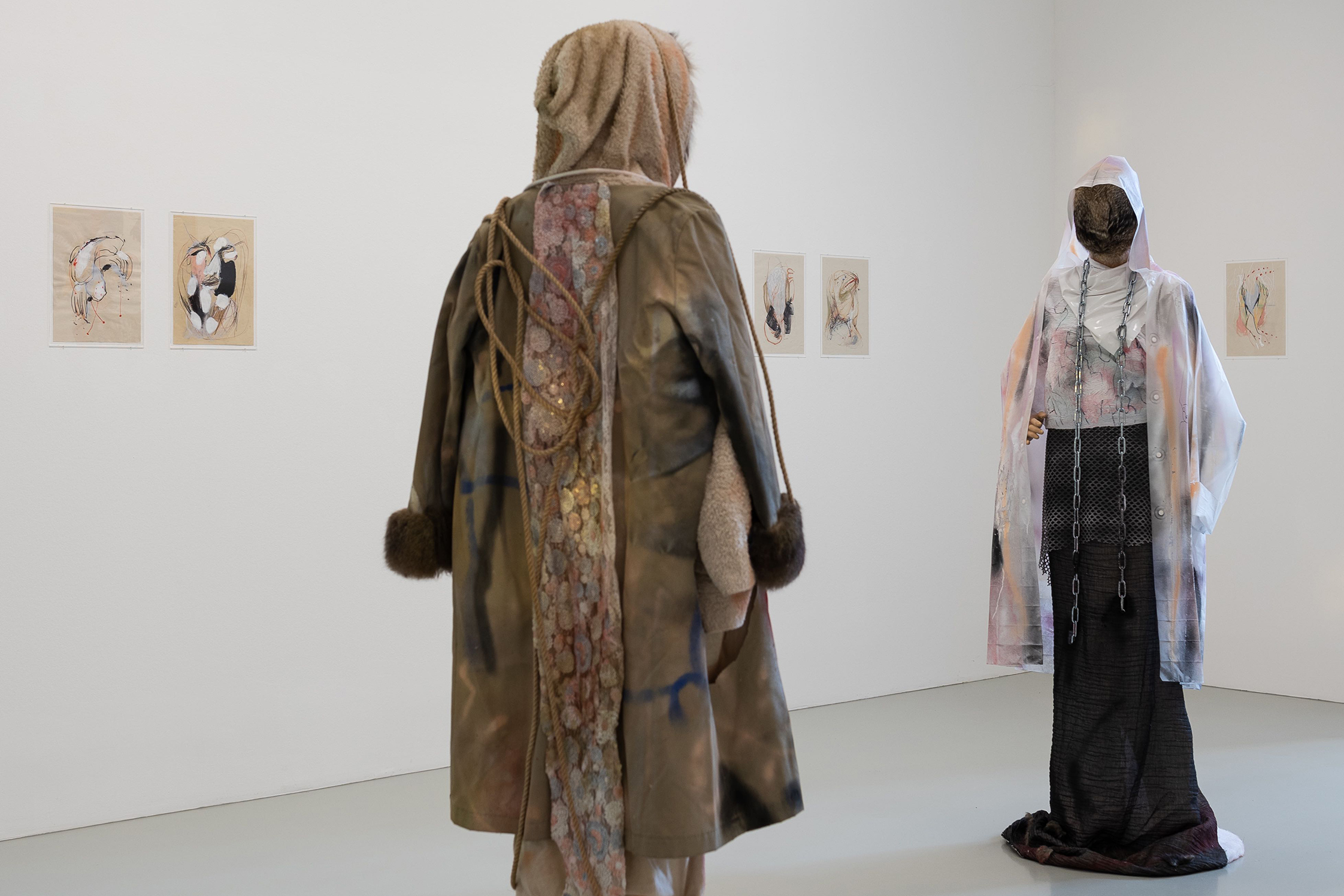
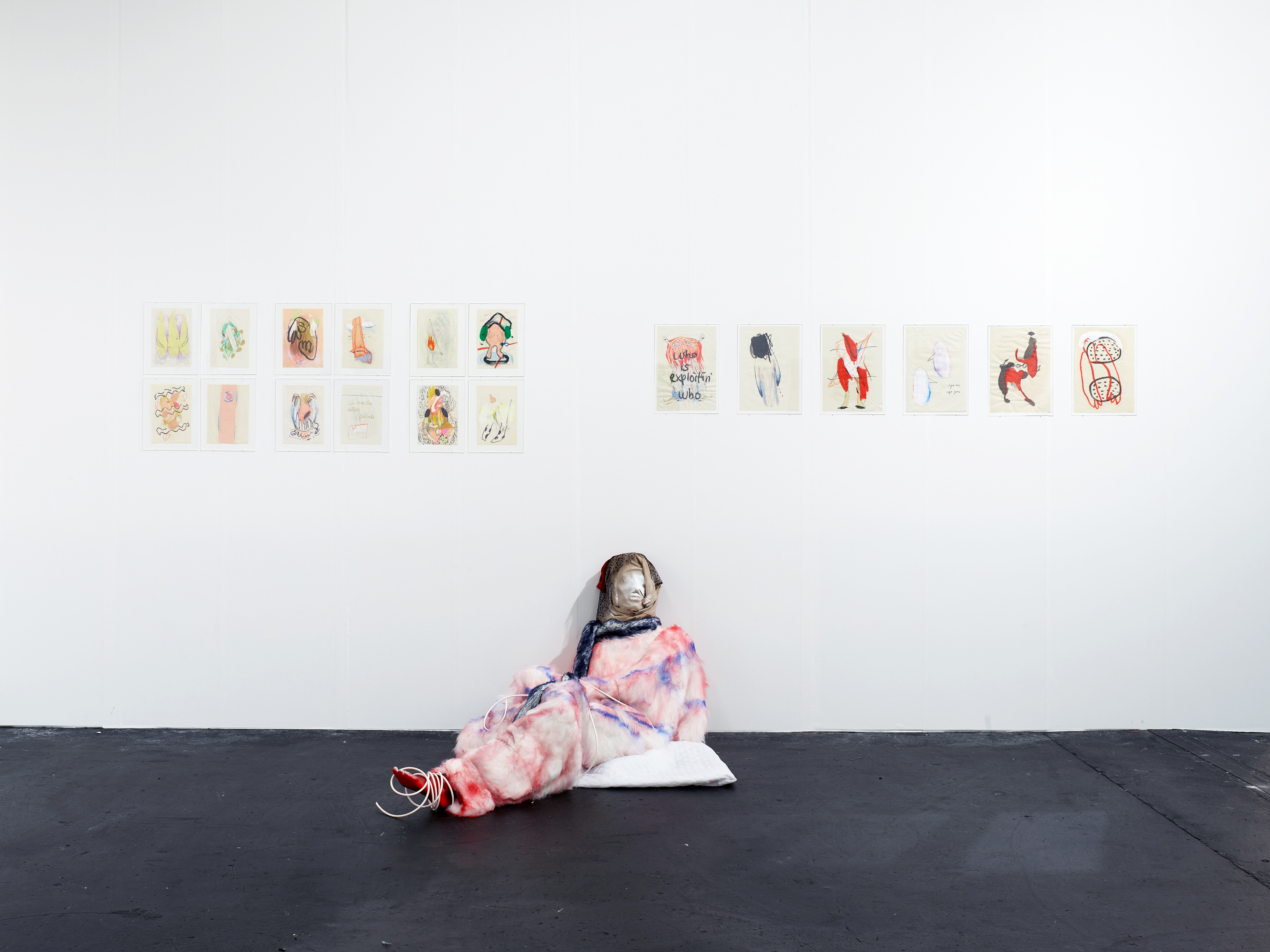
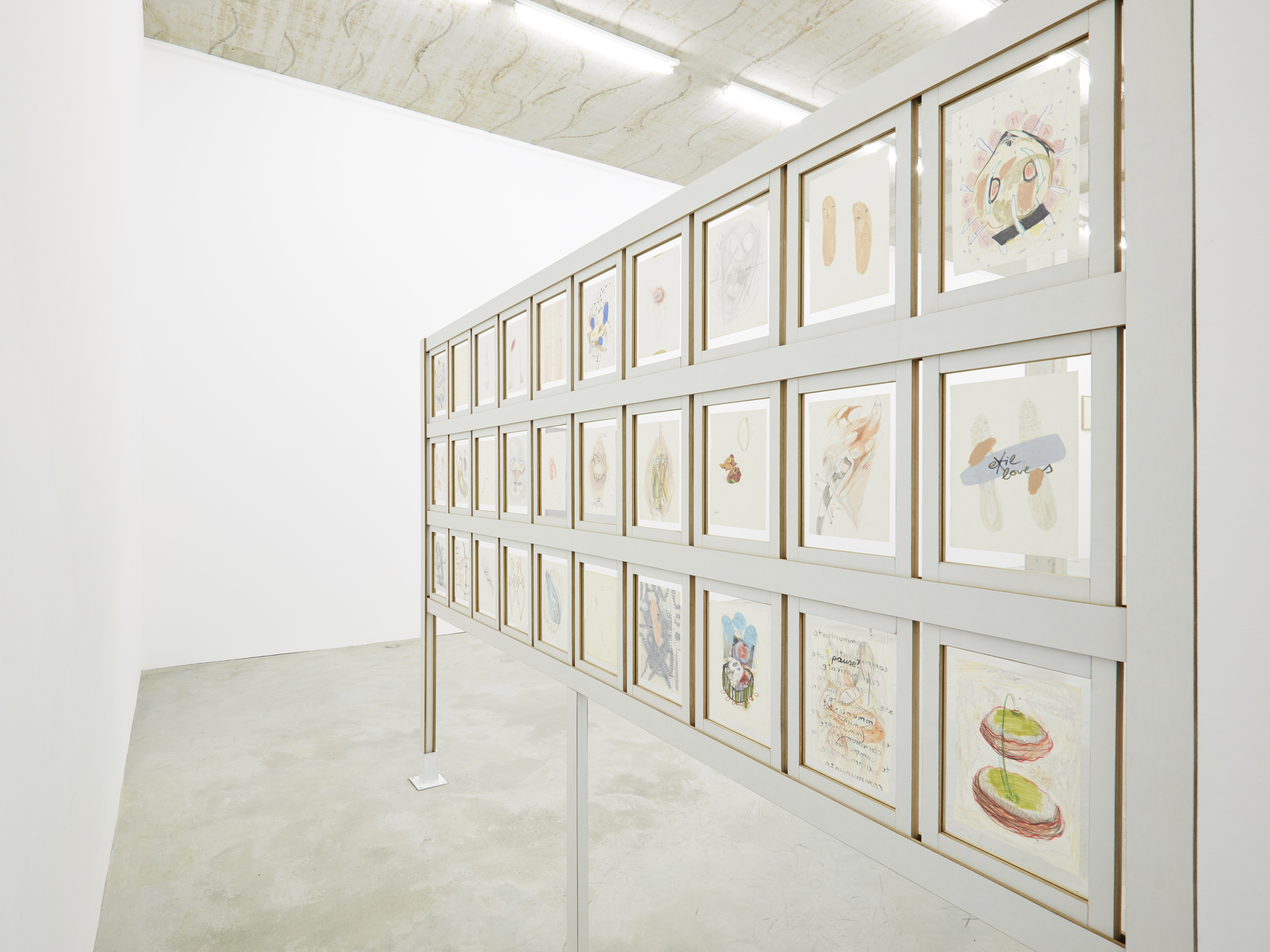
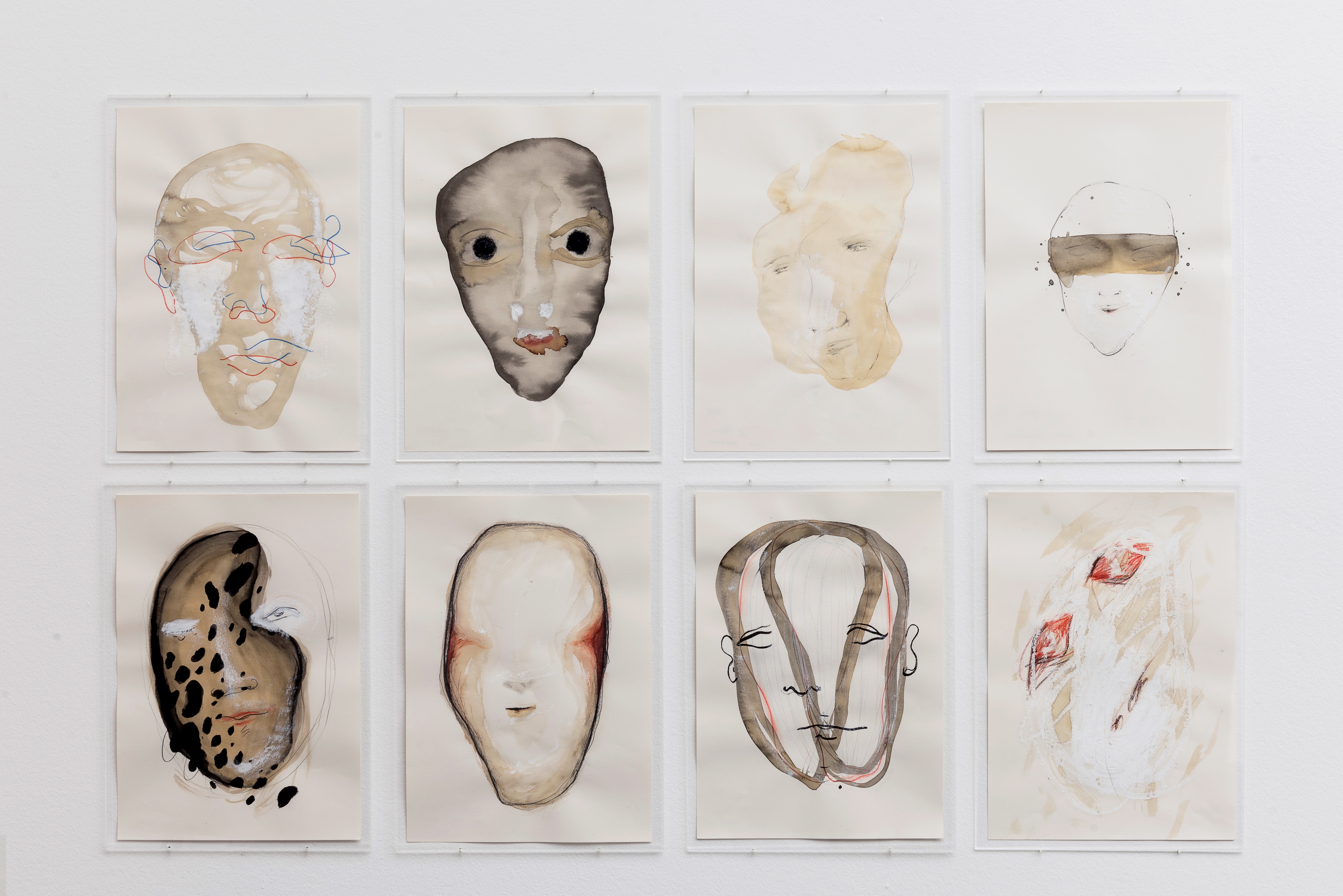
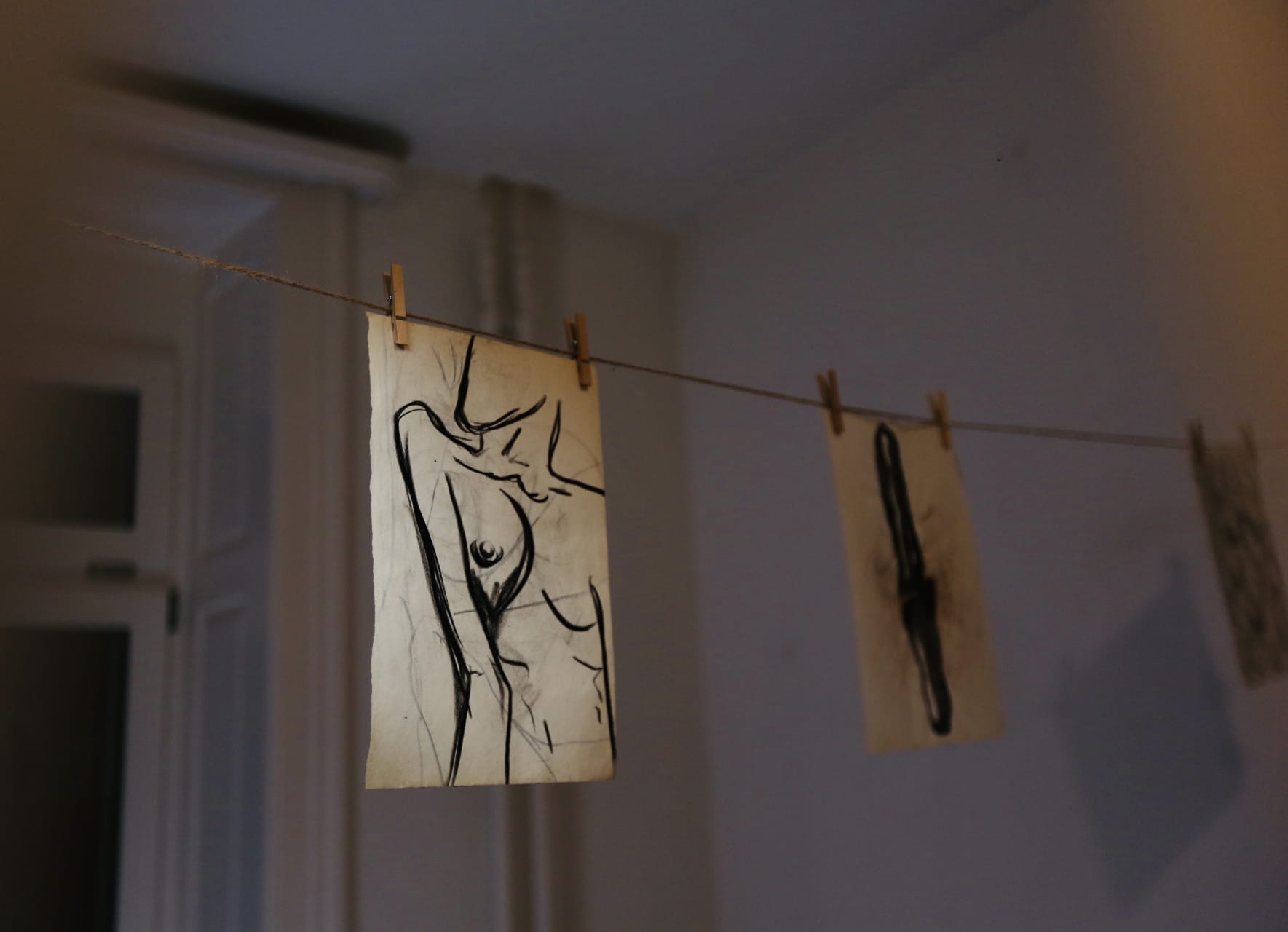
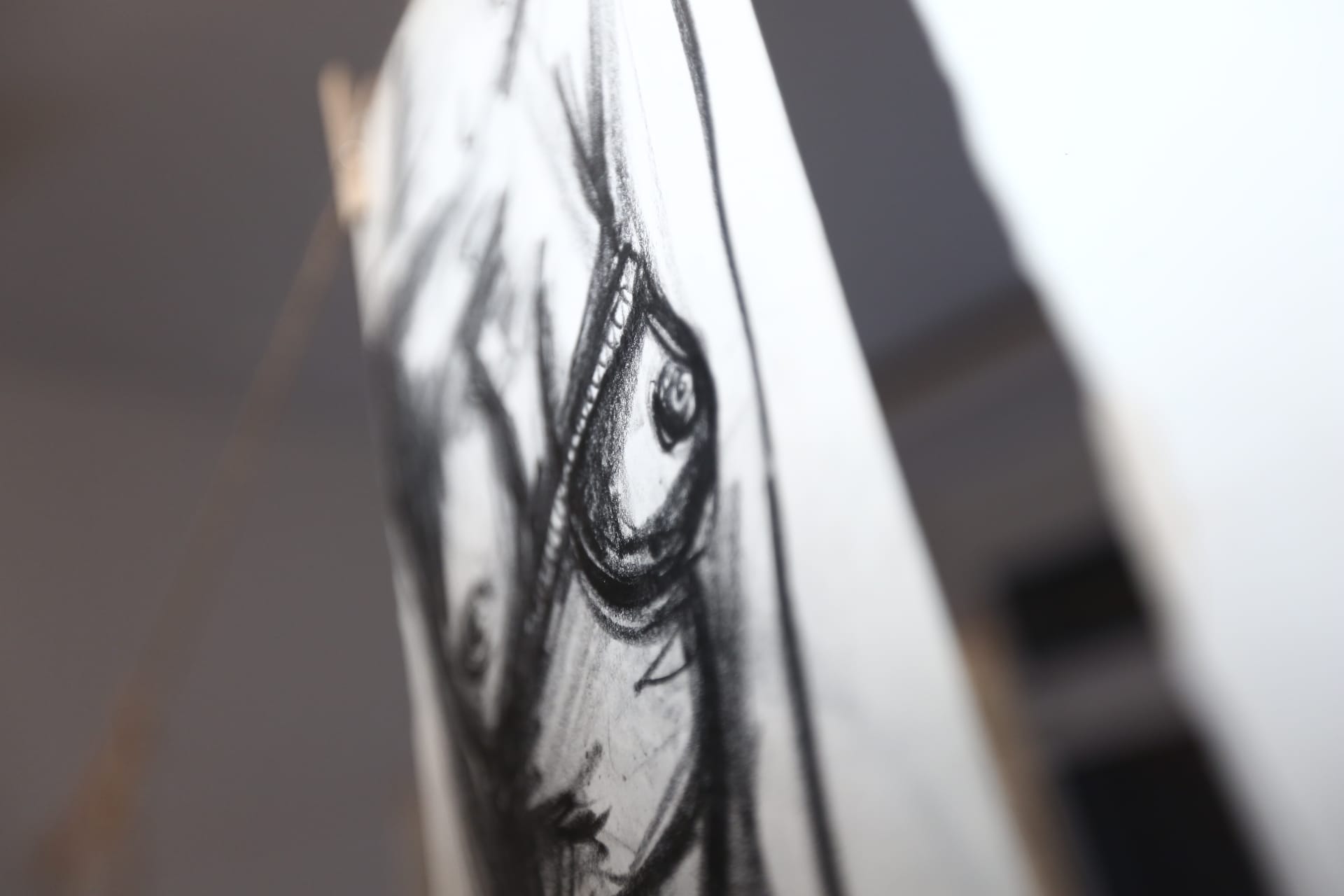
Insomnia Drawings is a series of drawings that hang lightly from a clothesline, traversing the exhibition space in rows – like linen sheets hung out to dry. In fact, it also brings to mind the idiom „airing out one’s dirty laundry“: The works depict an atlas of vulnerability, where figures emerge through suggestion and detail. Together, the pieces feel like pages from an intimate visual diary, exploring femininity as something felt from within rather than merely seen.